


The Mysteries of Campobasso: Angels and devils above your heads
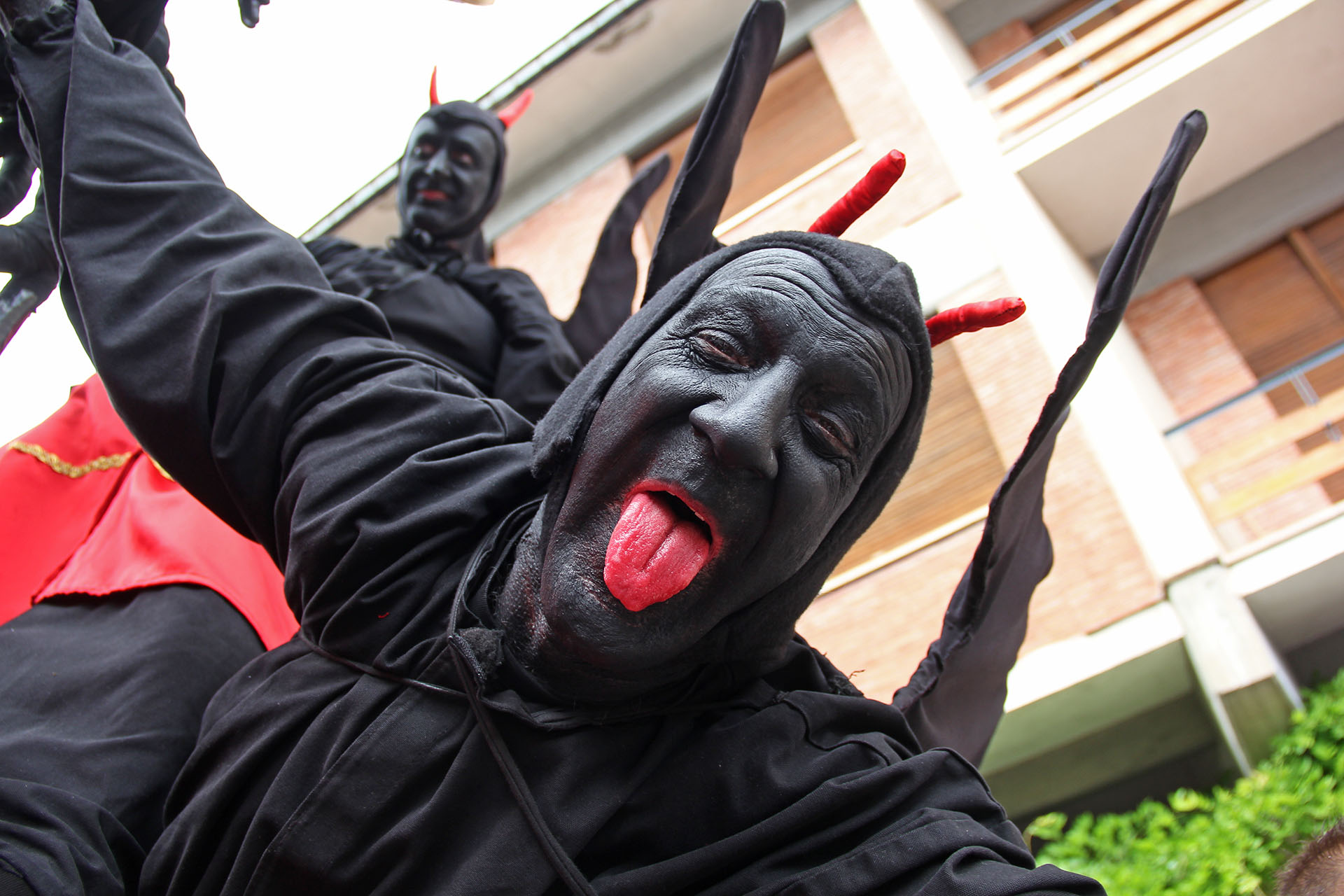
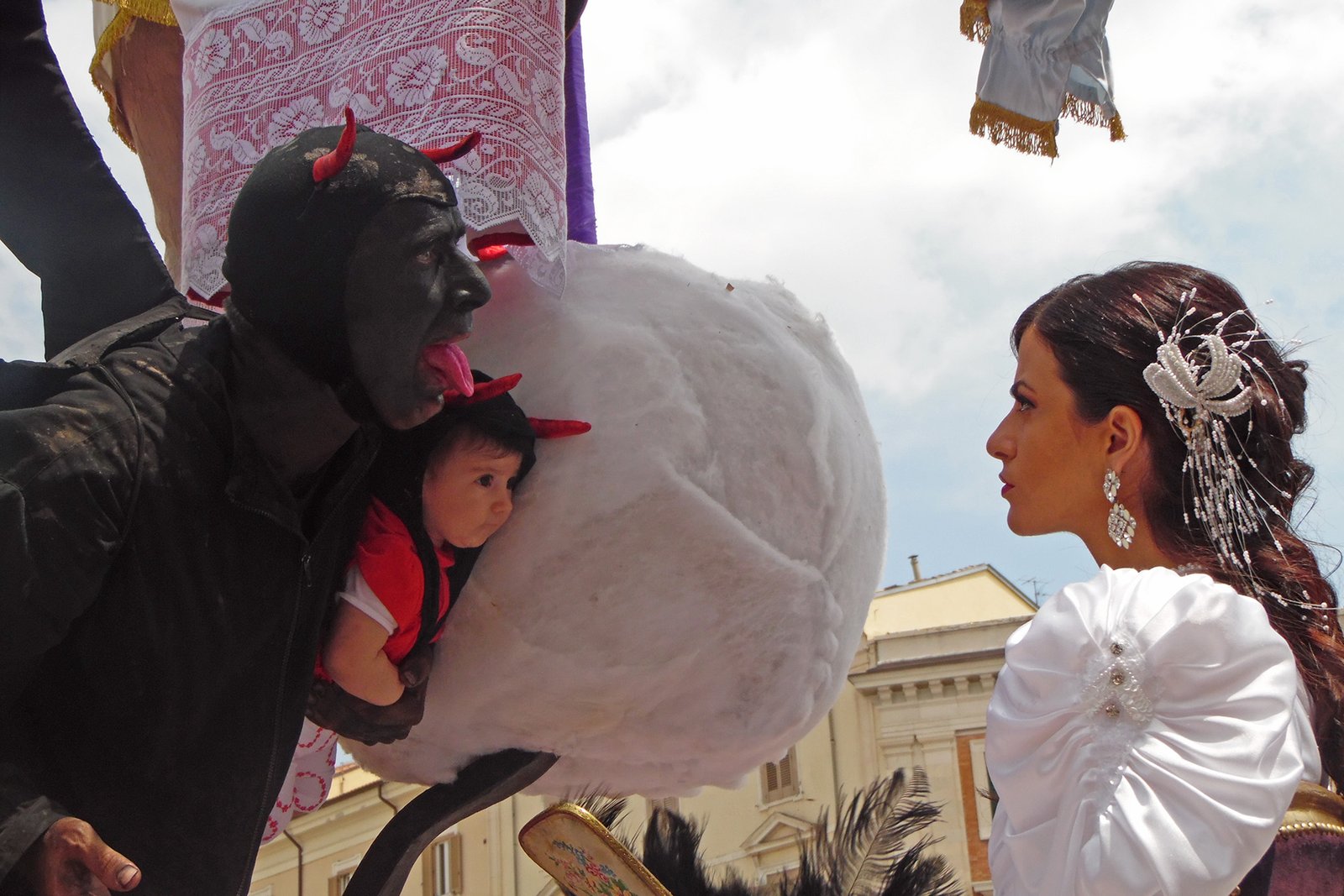
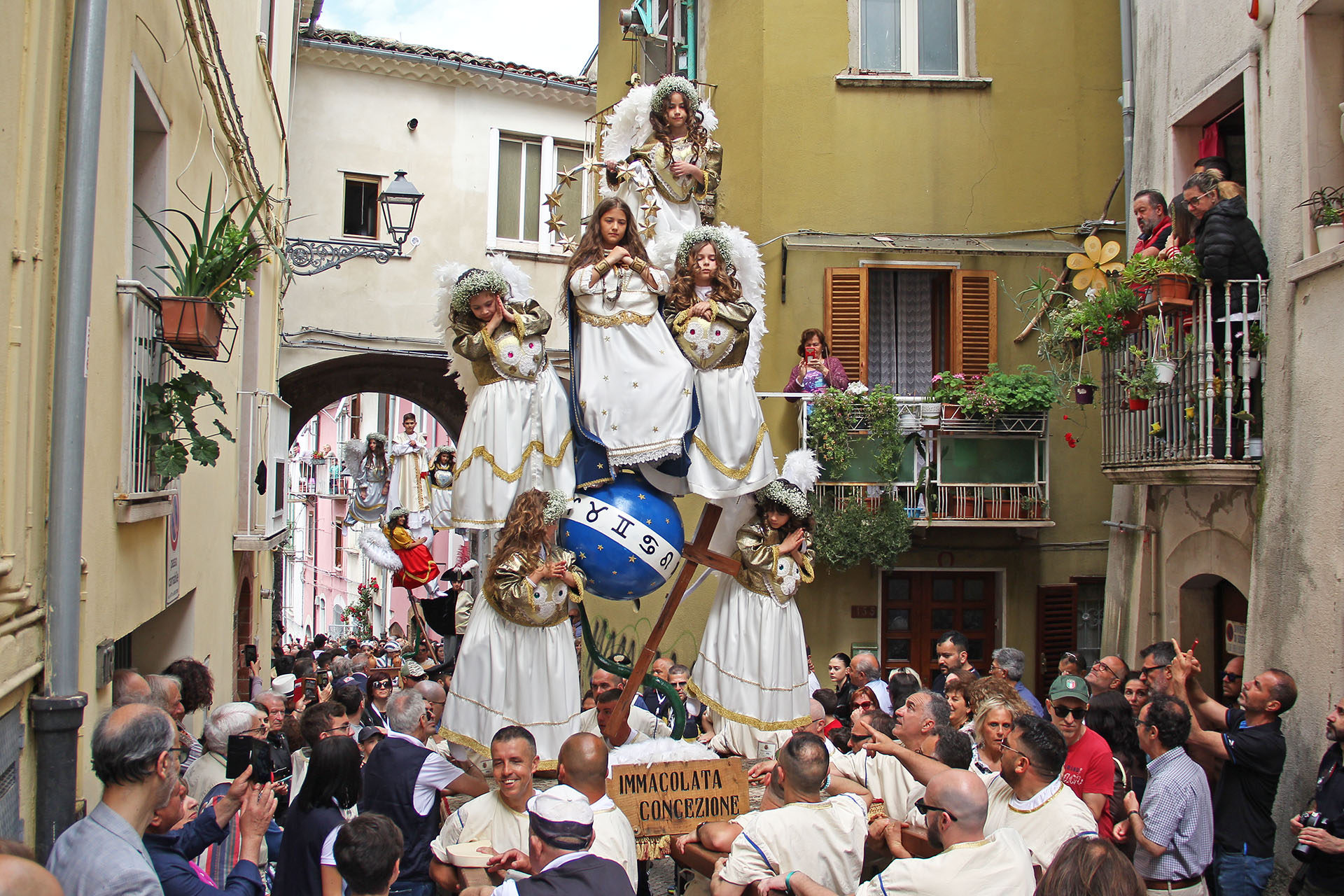
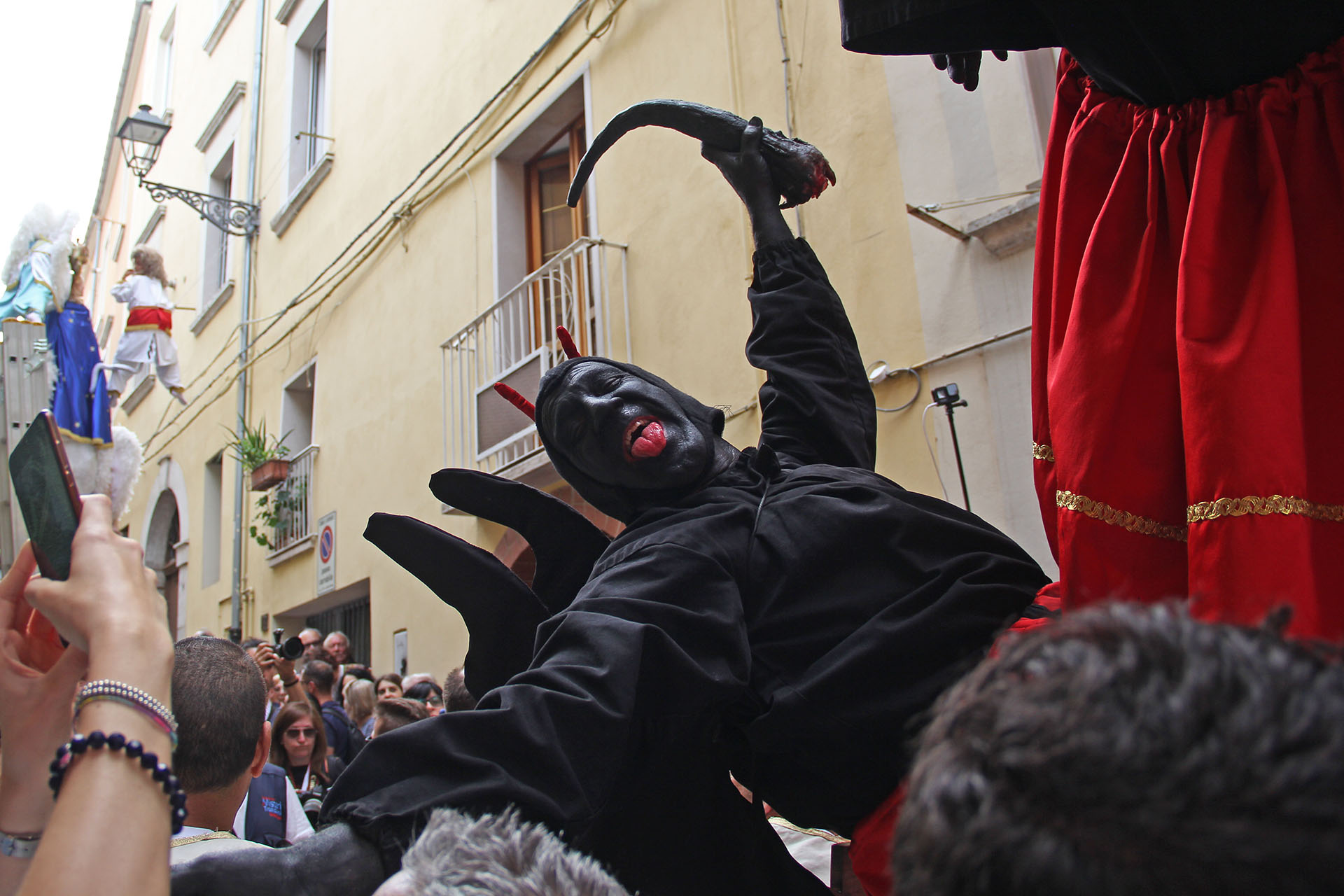
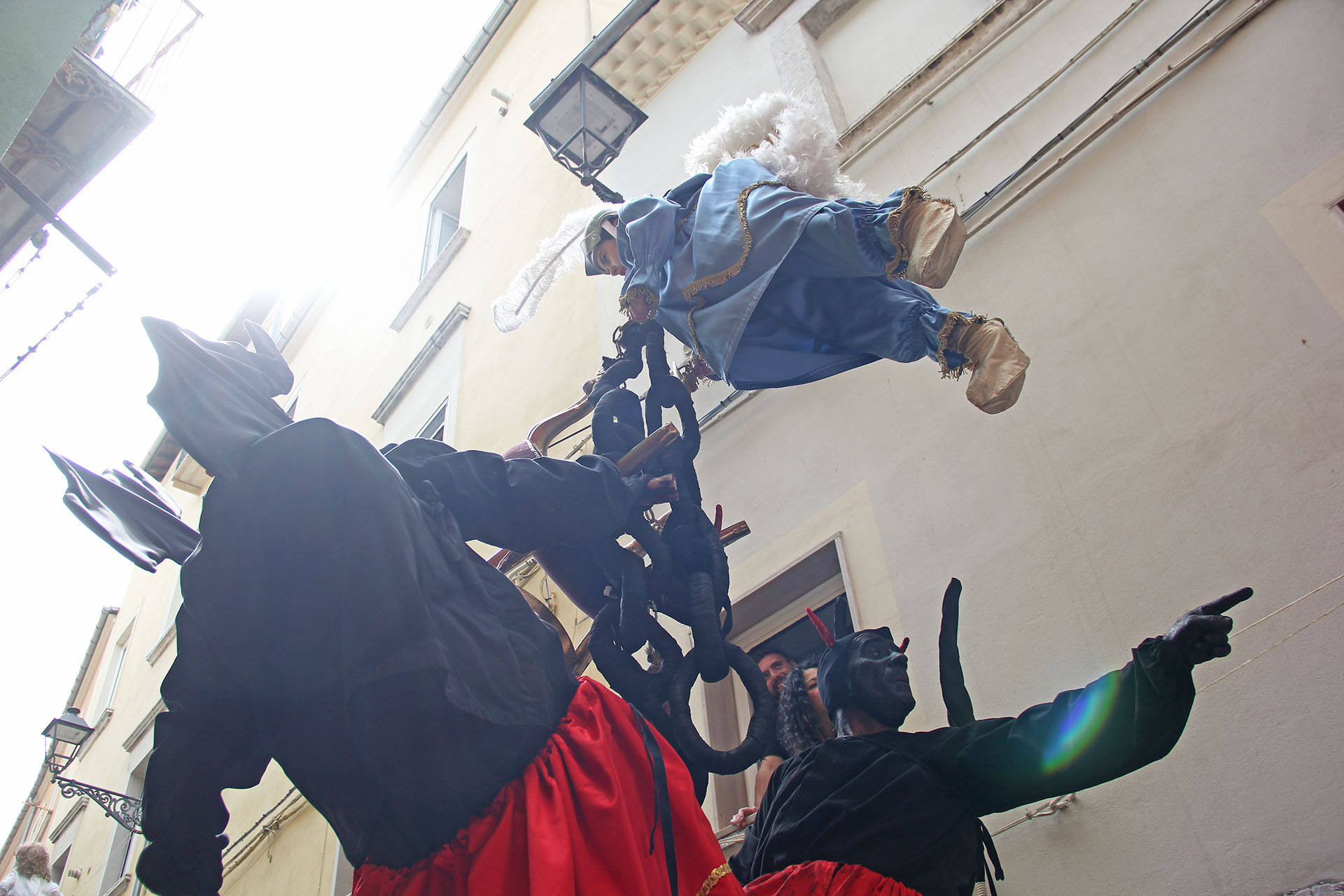
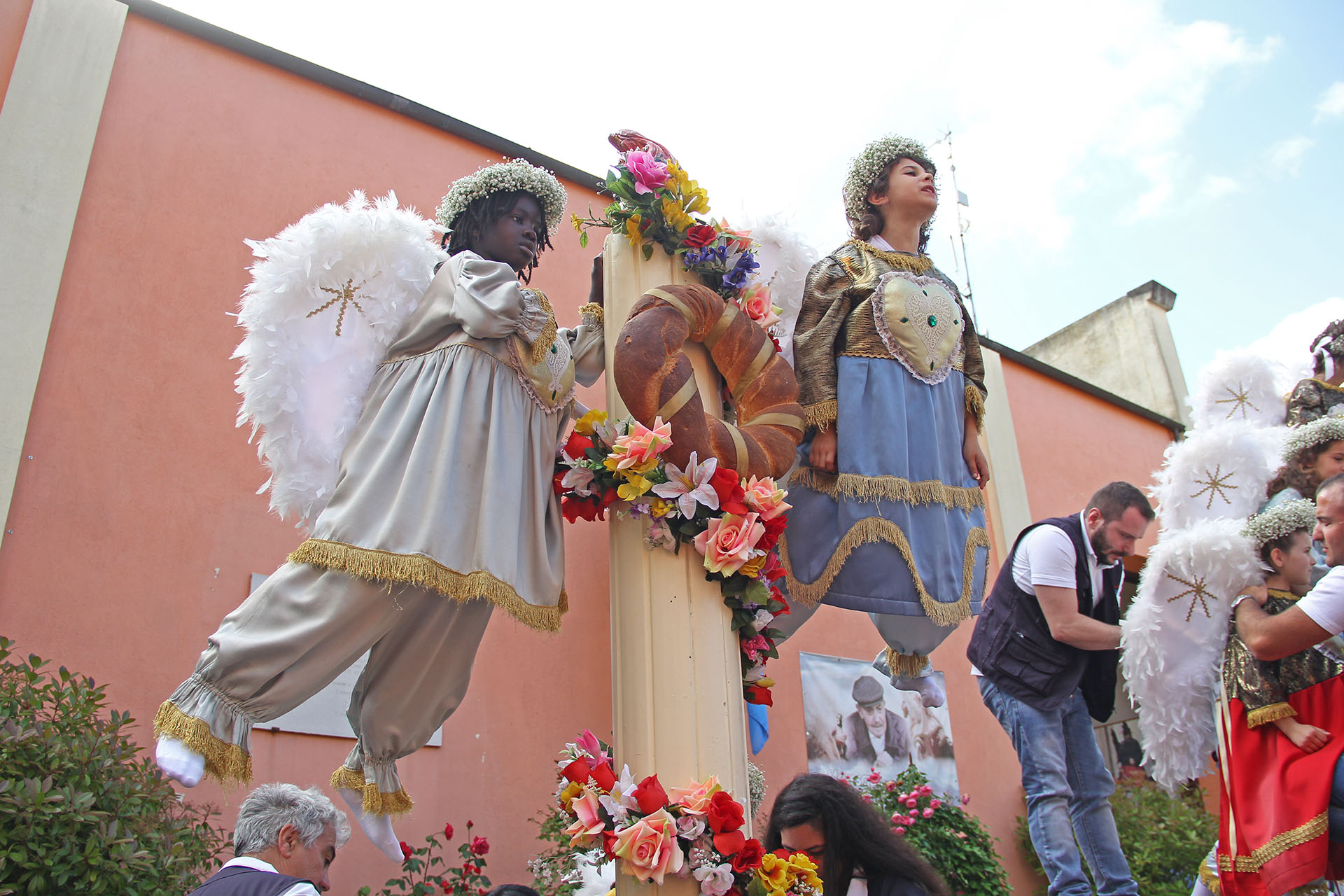
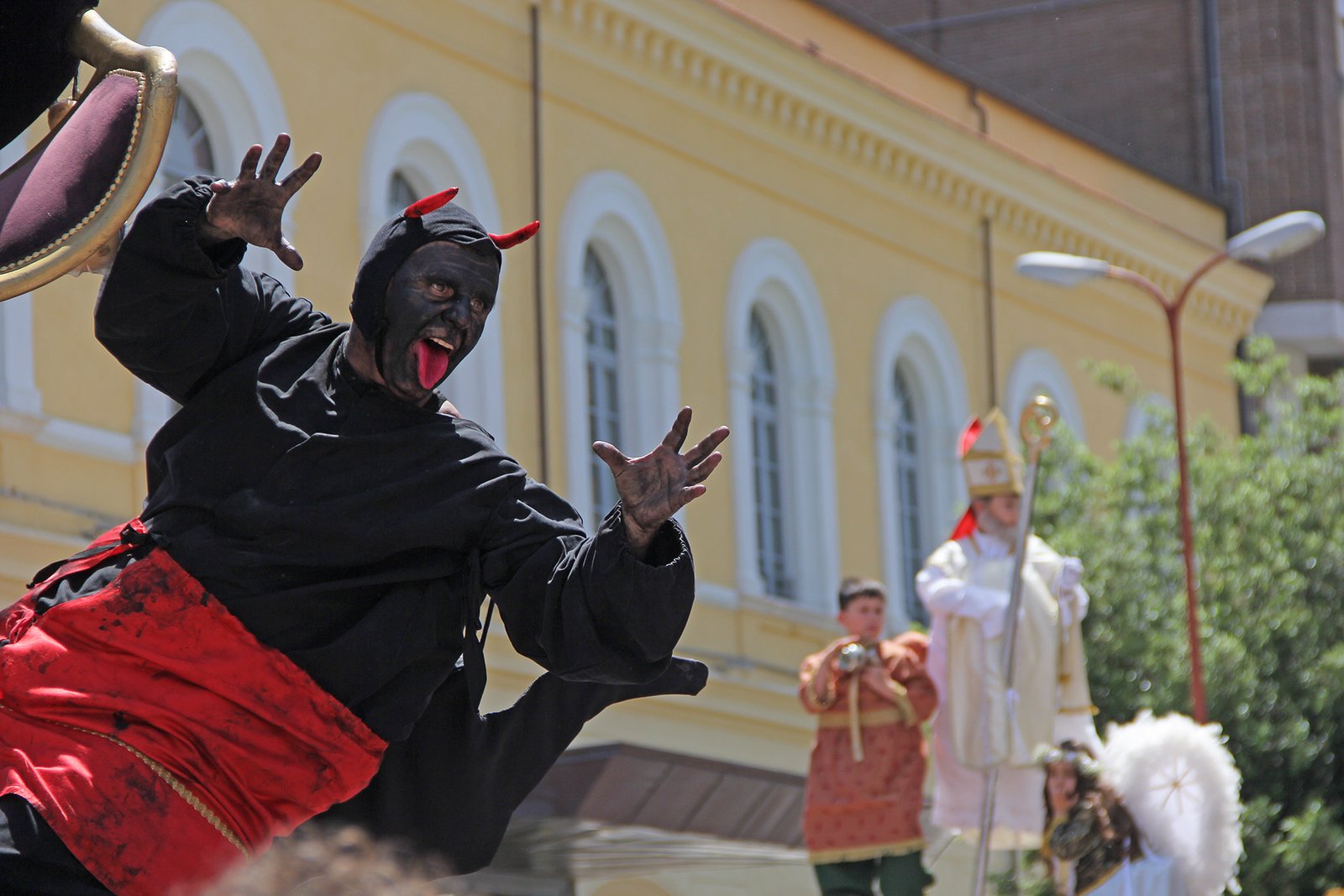
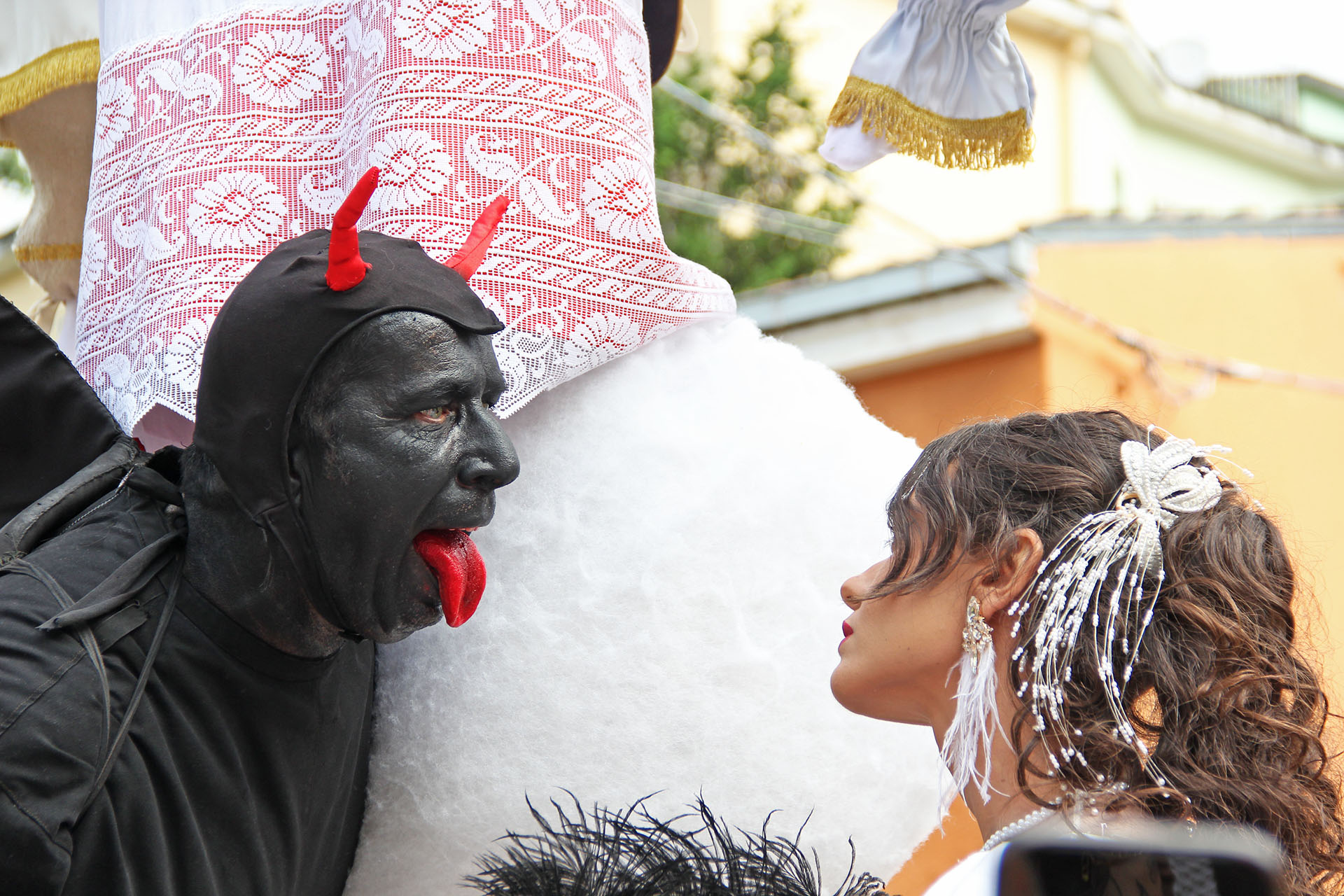
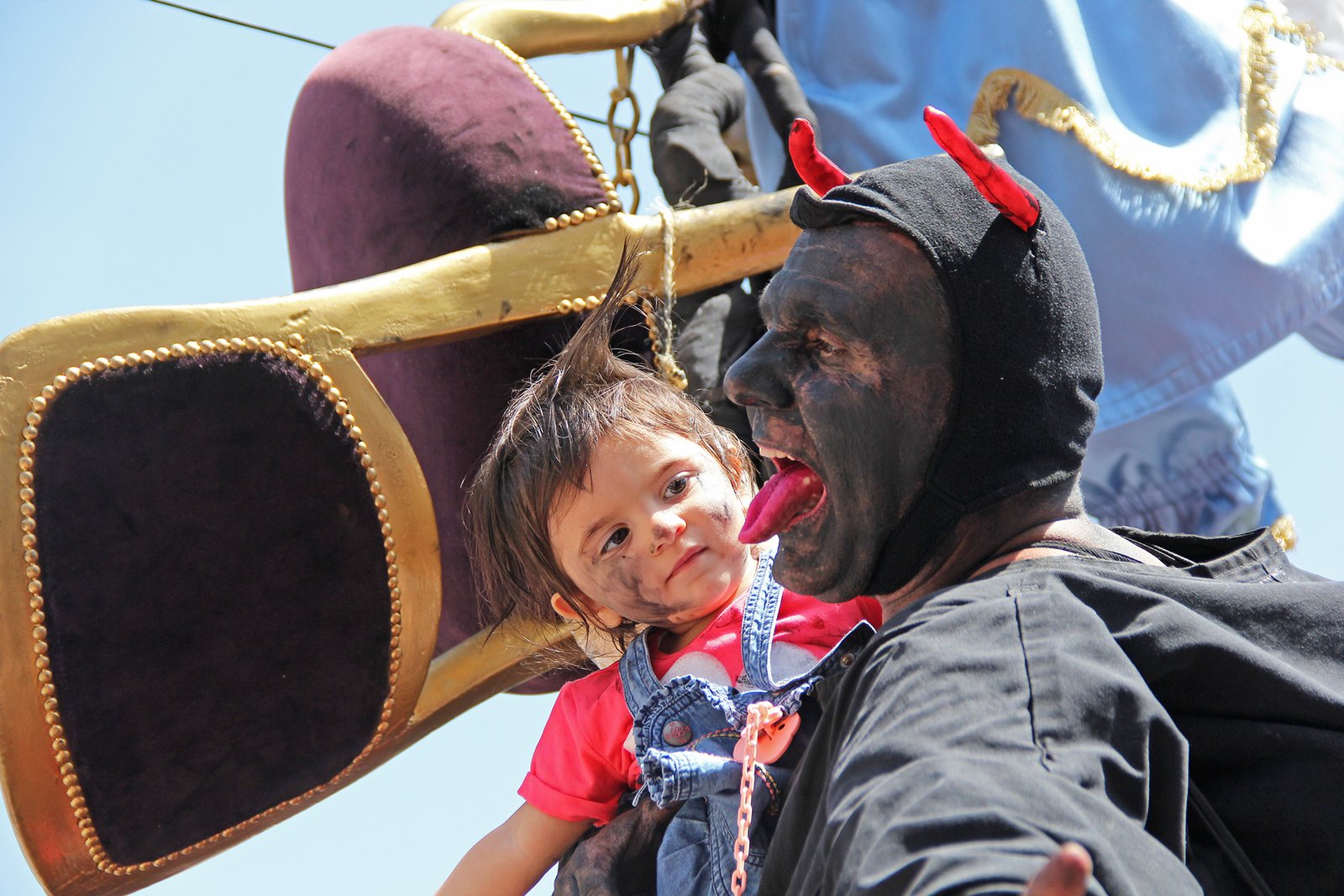
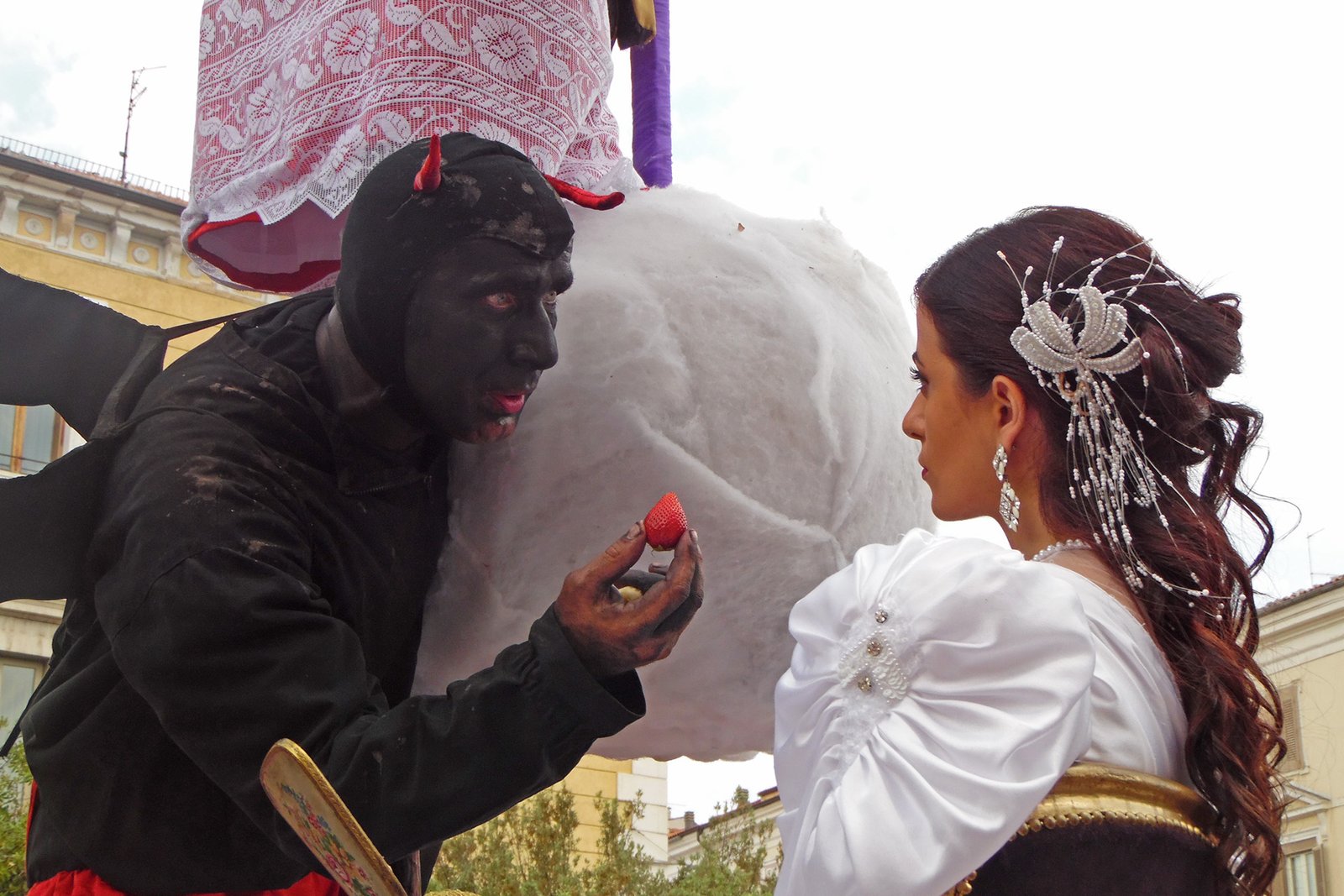
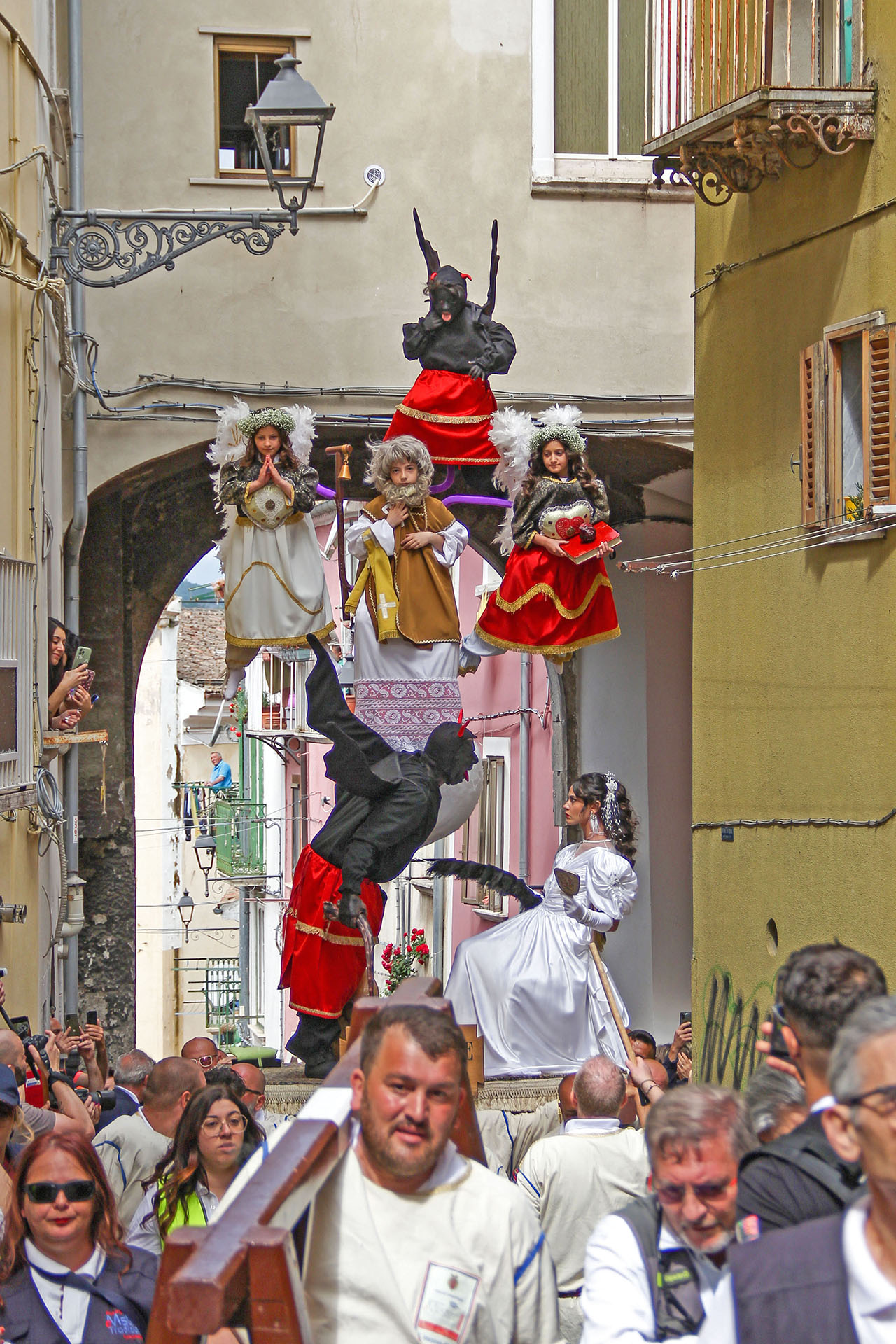
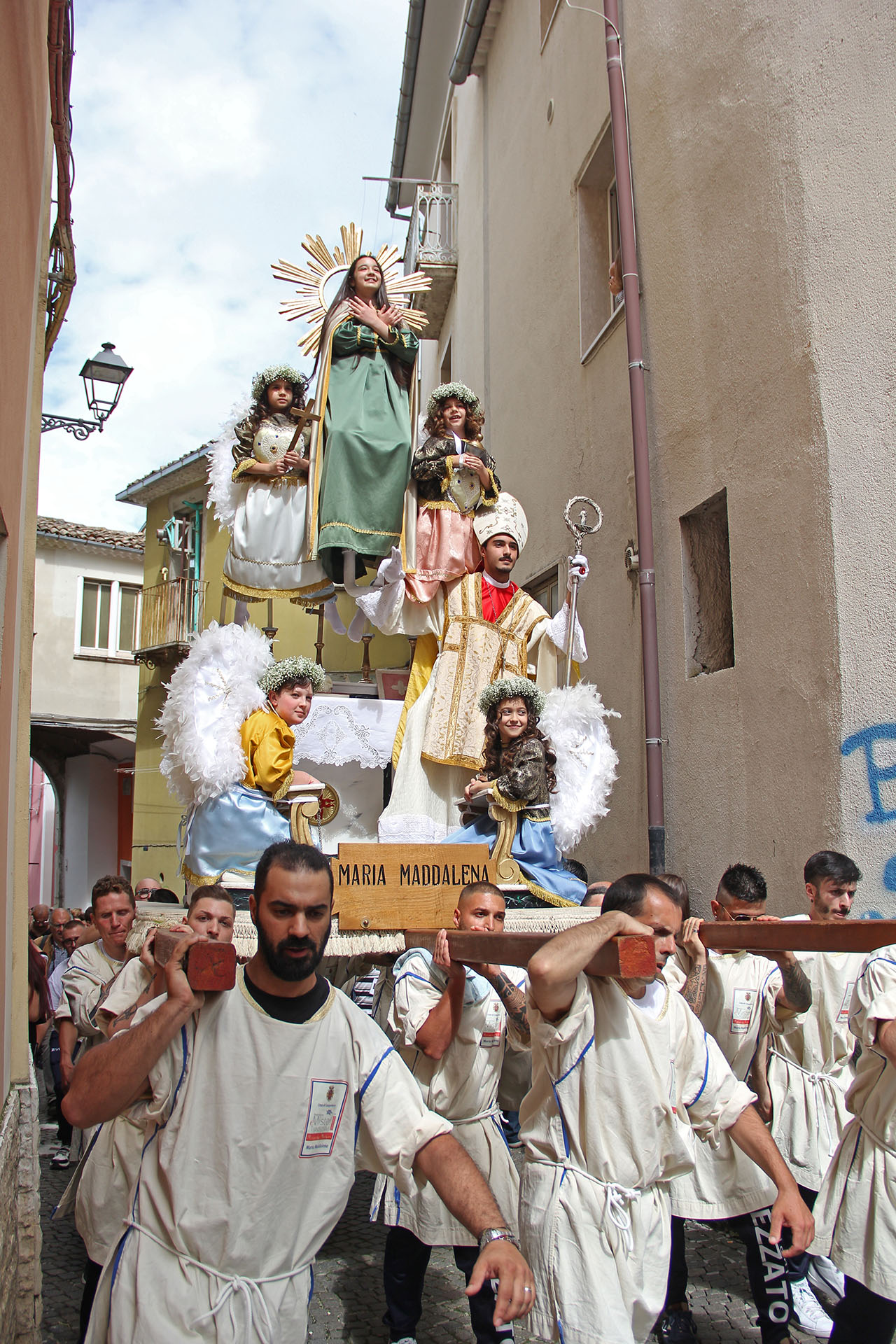
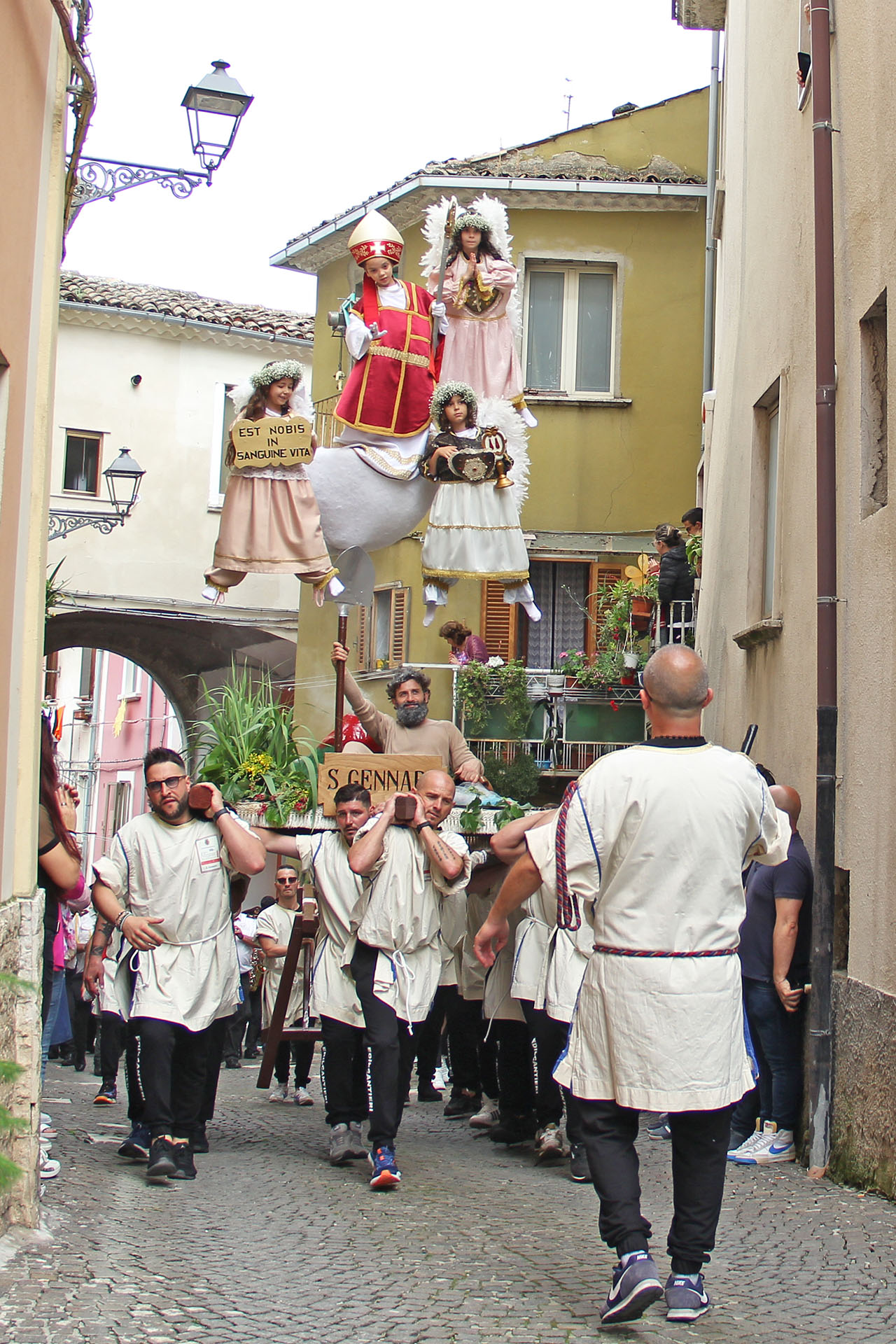
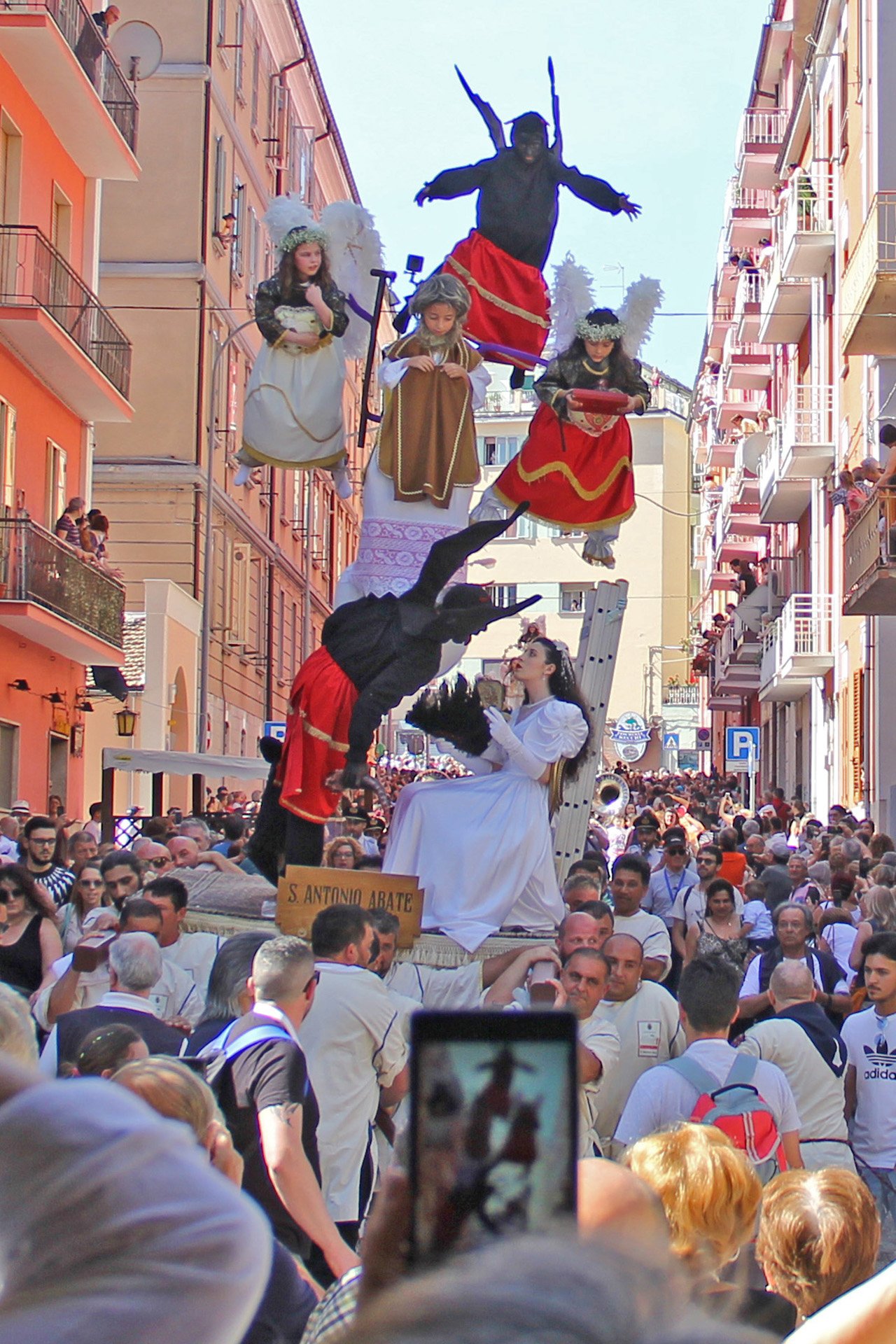
Have you ever seen angels and devils passing overhead? In Campobasso, on the Feast of Corpus Christi, the region’s largest event takes place, one that is truly unique in Italy. It is known as the Mysteries “I Misteri”, a parade of religious-allegorical floats created by the Campobasso-born genius Paolo Saverio Di Zinno.
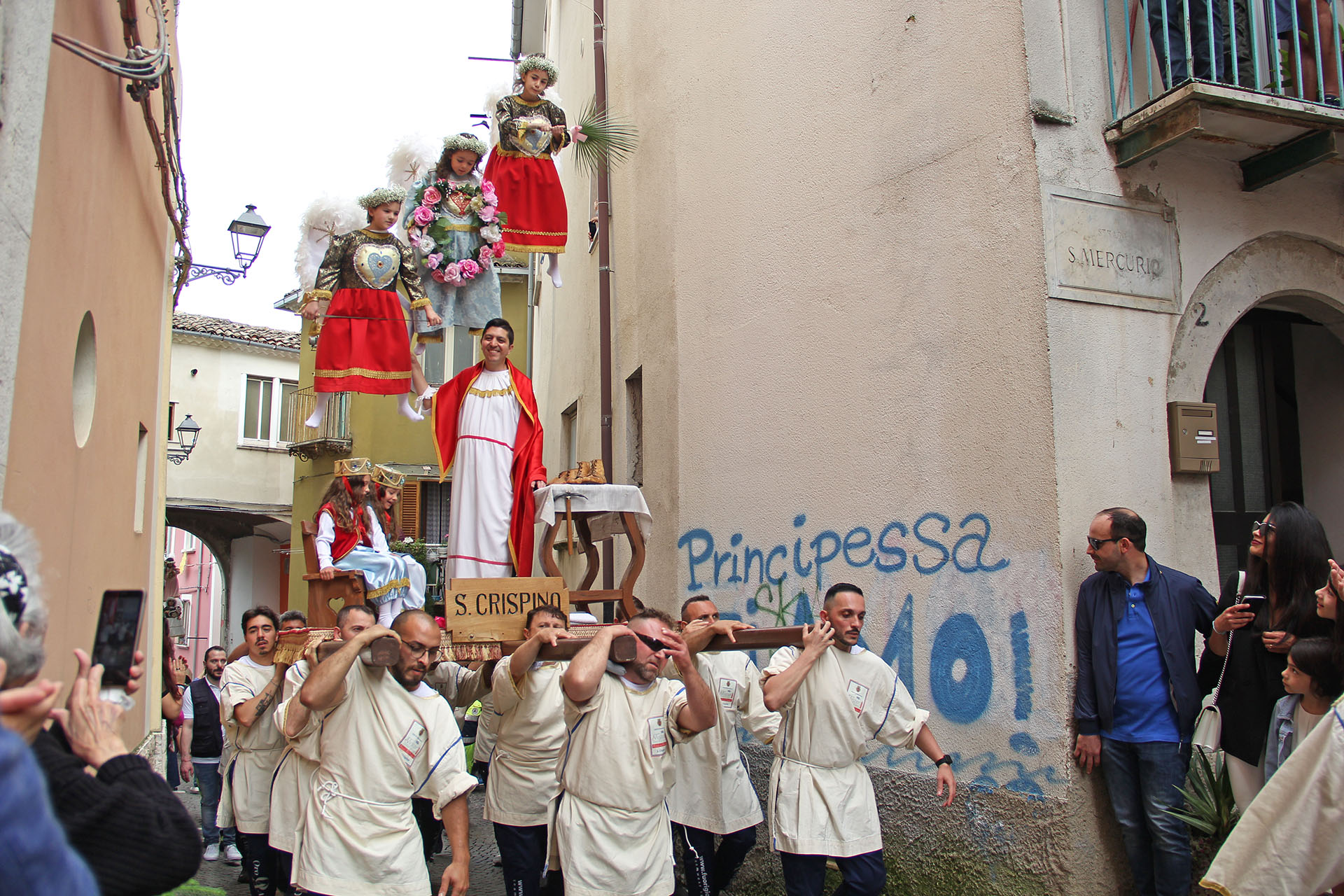
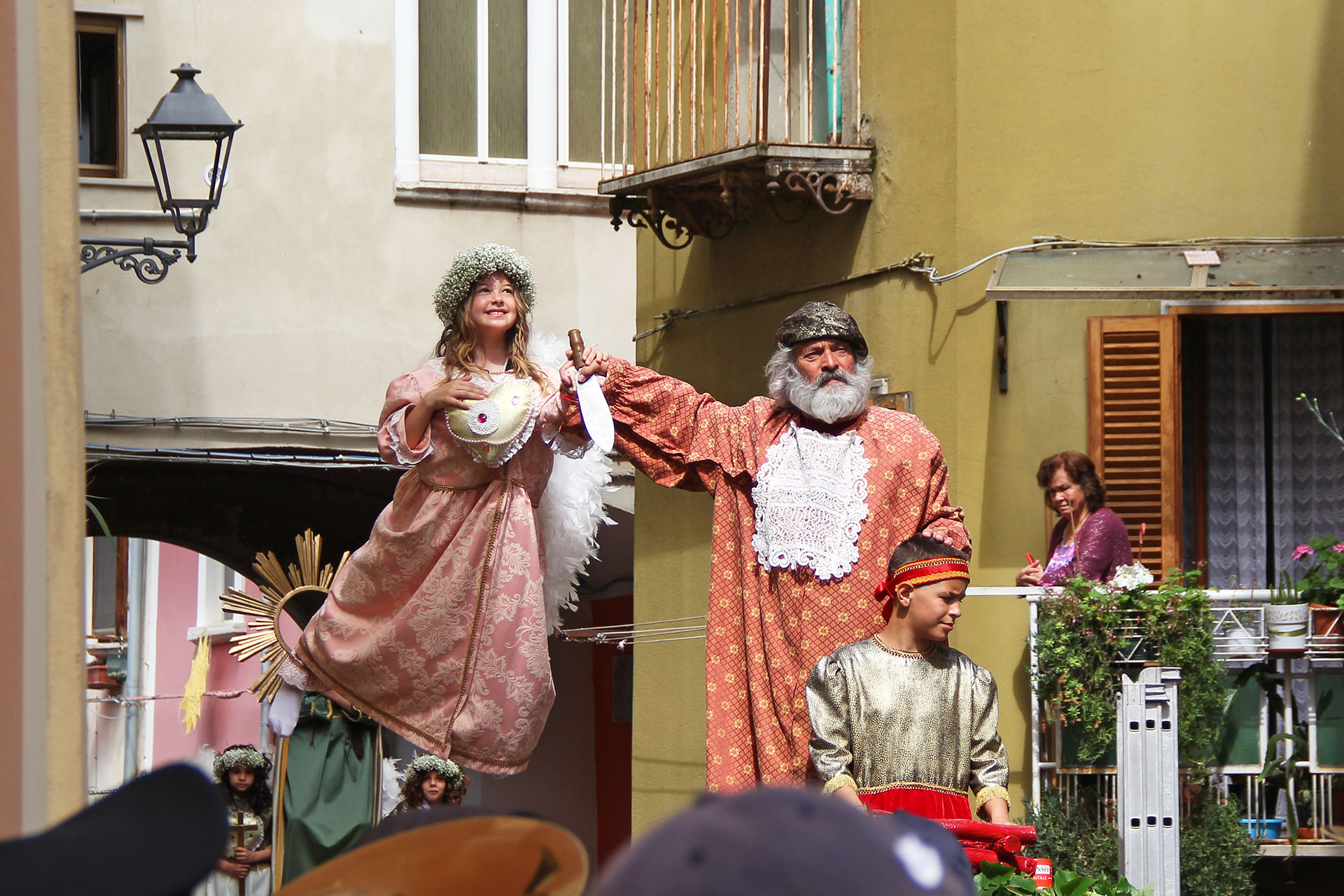
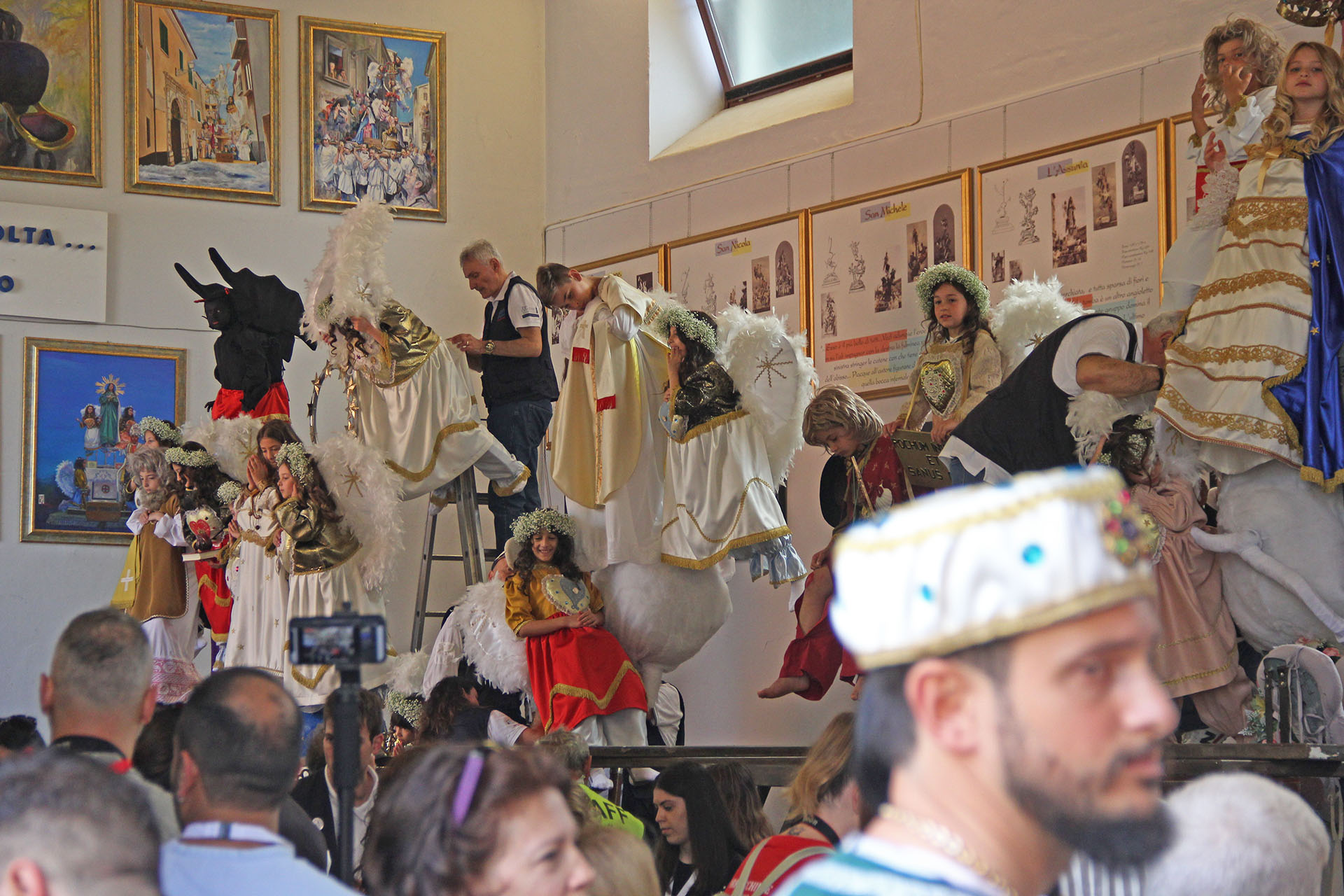
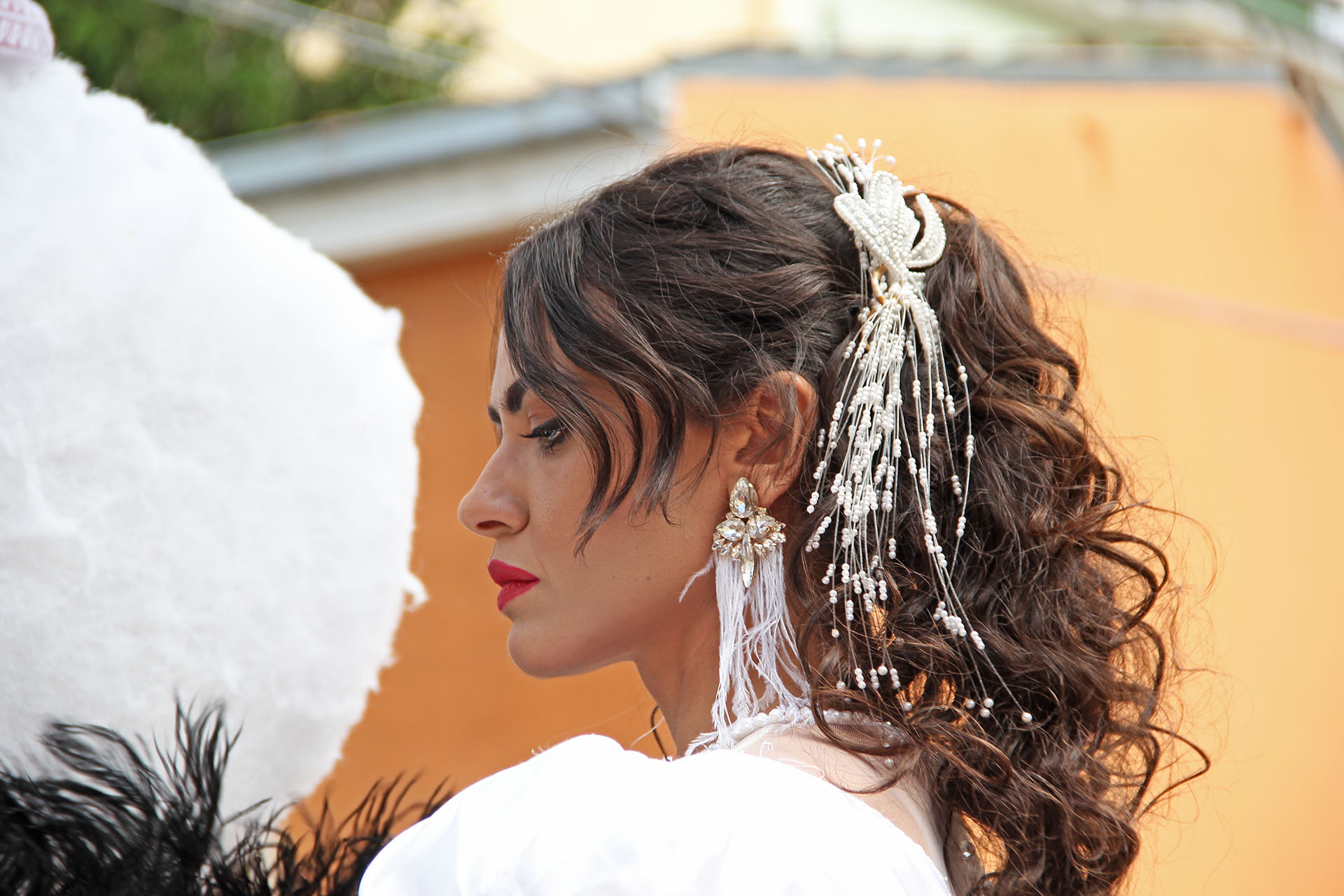
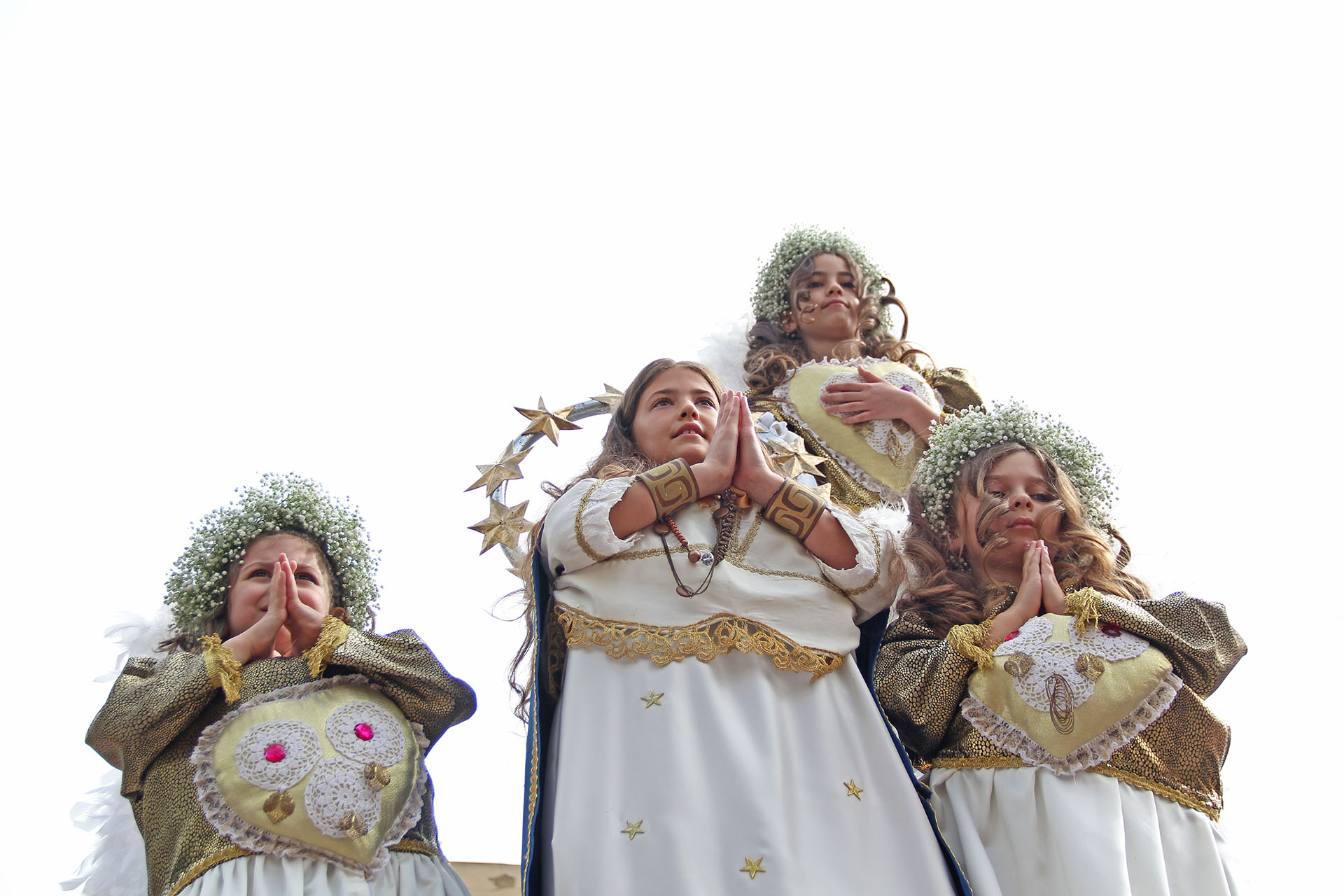
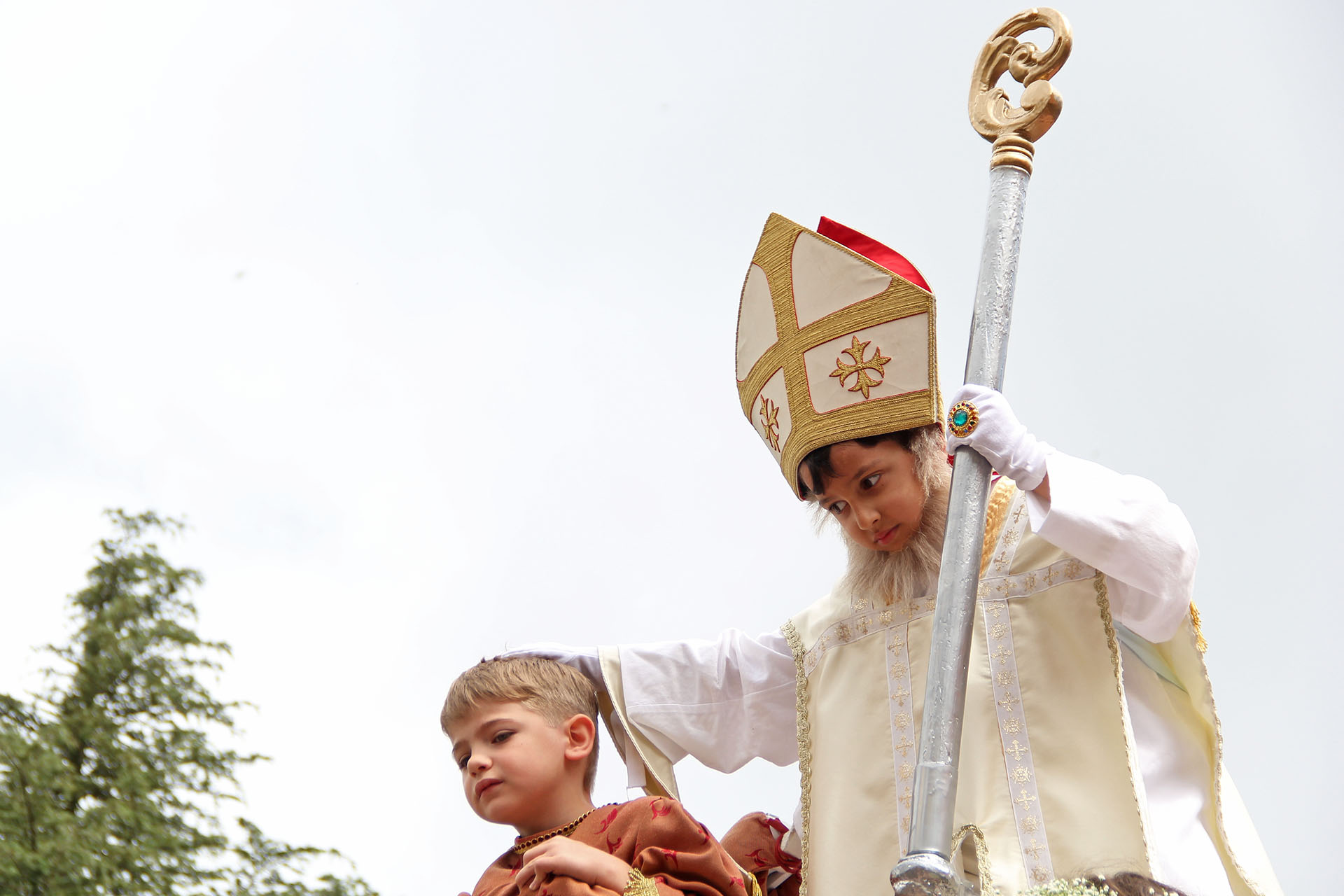
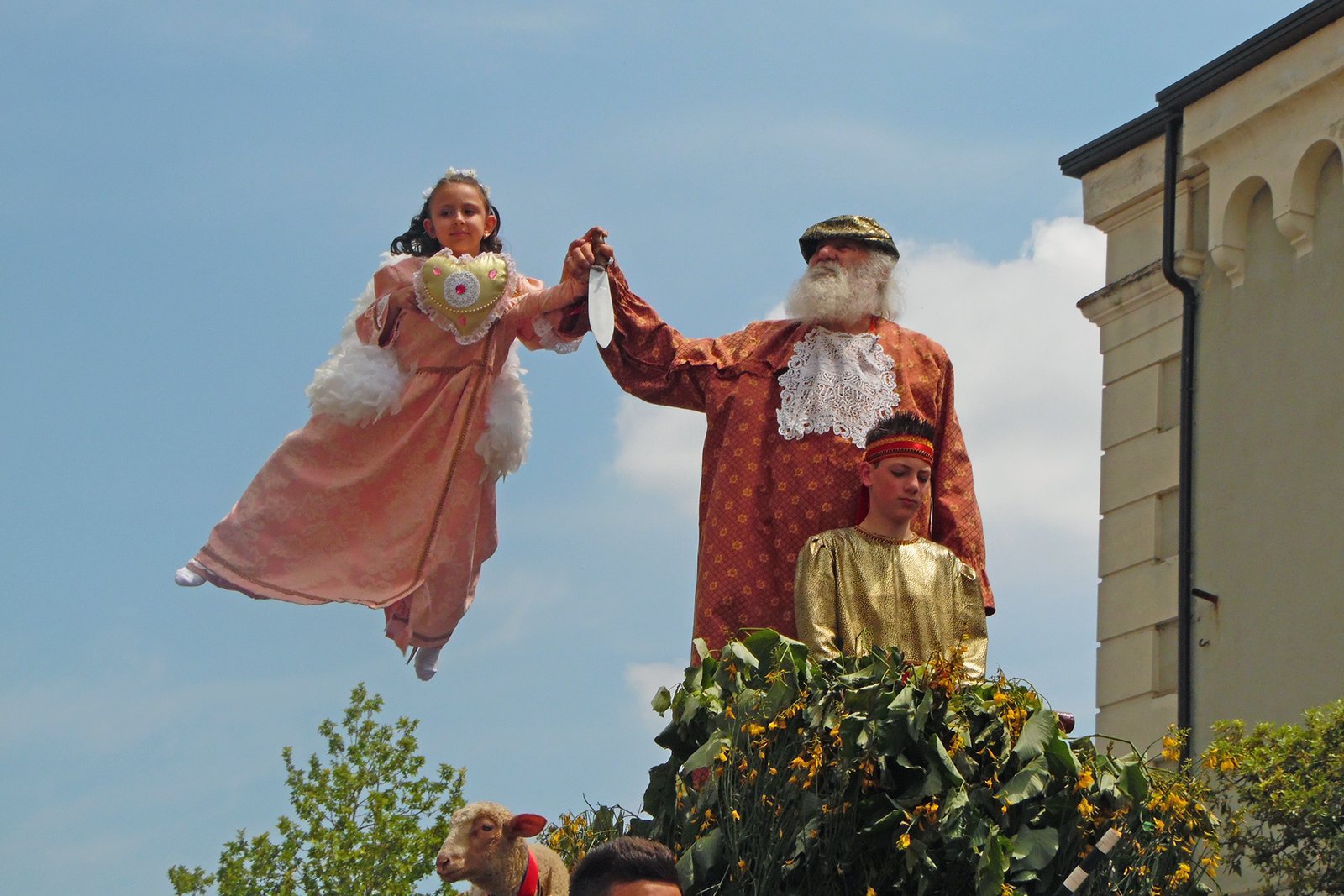
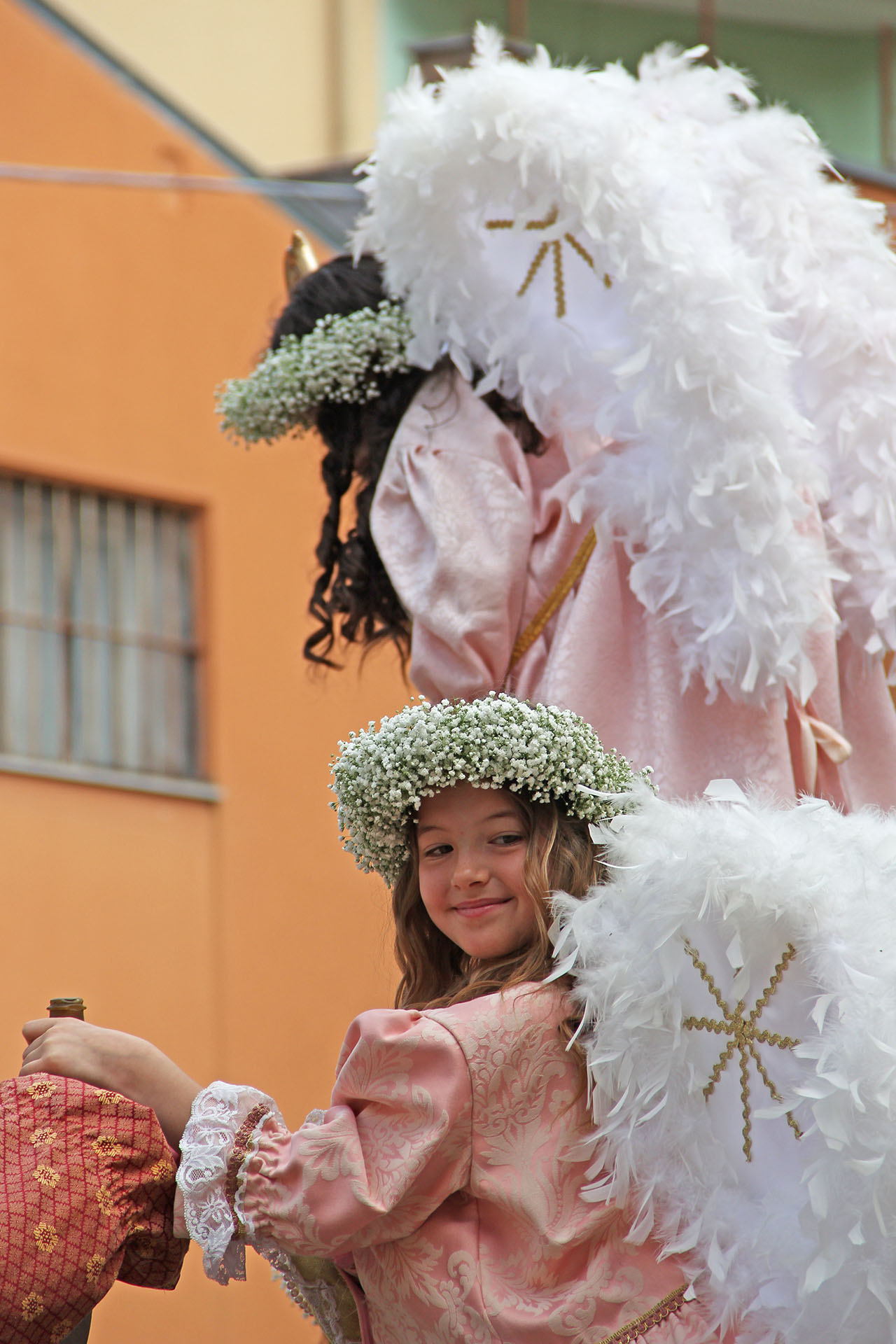
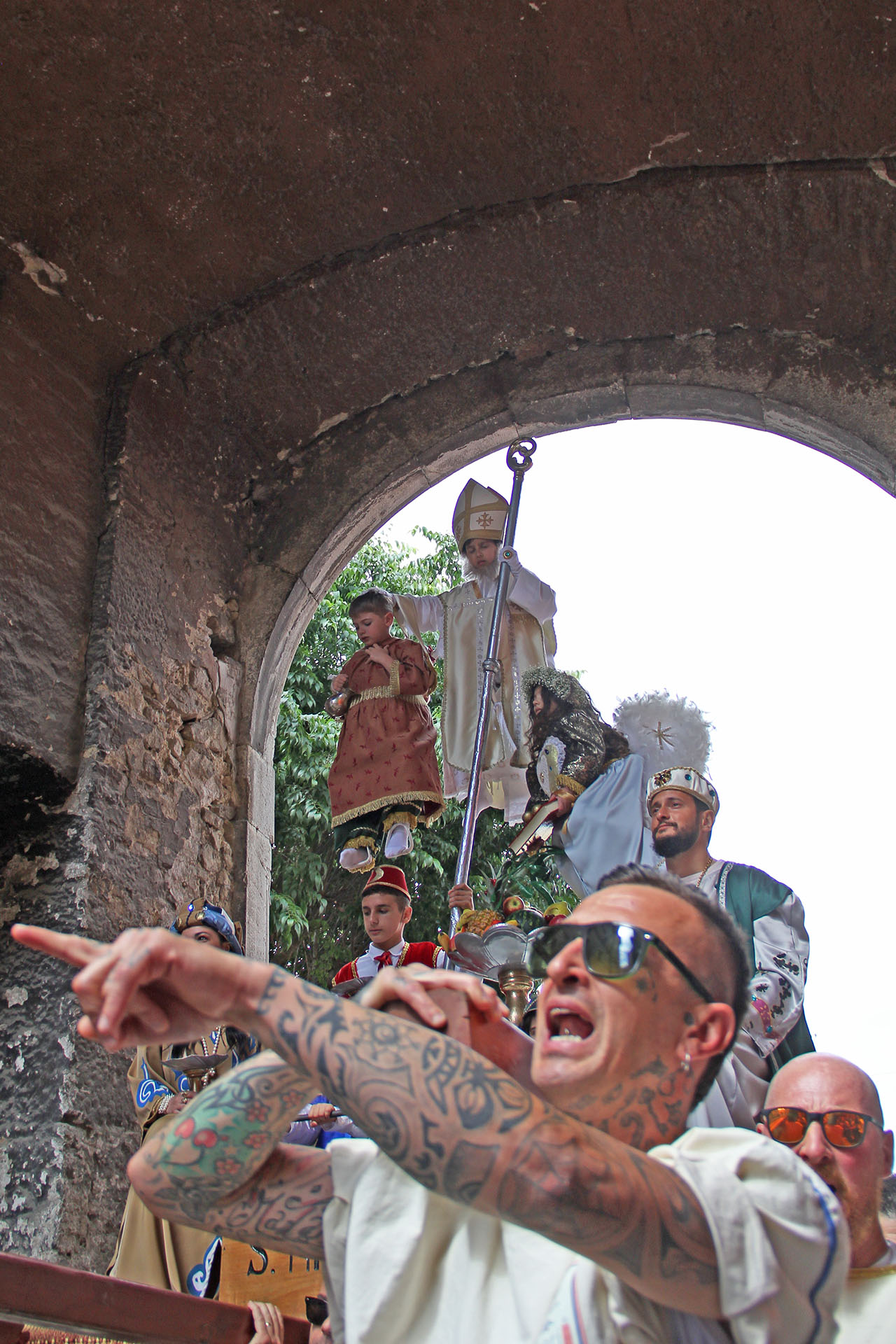
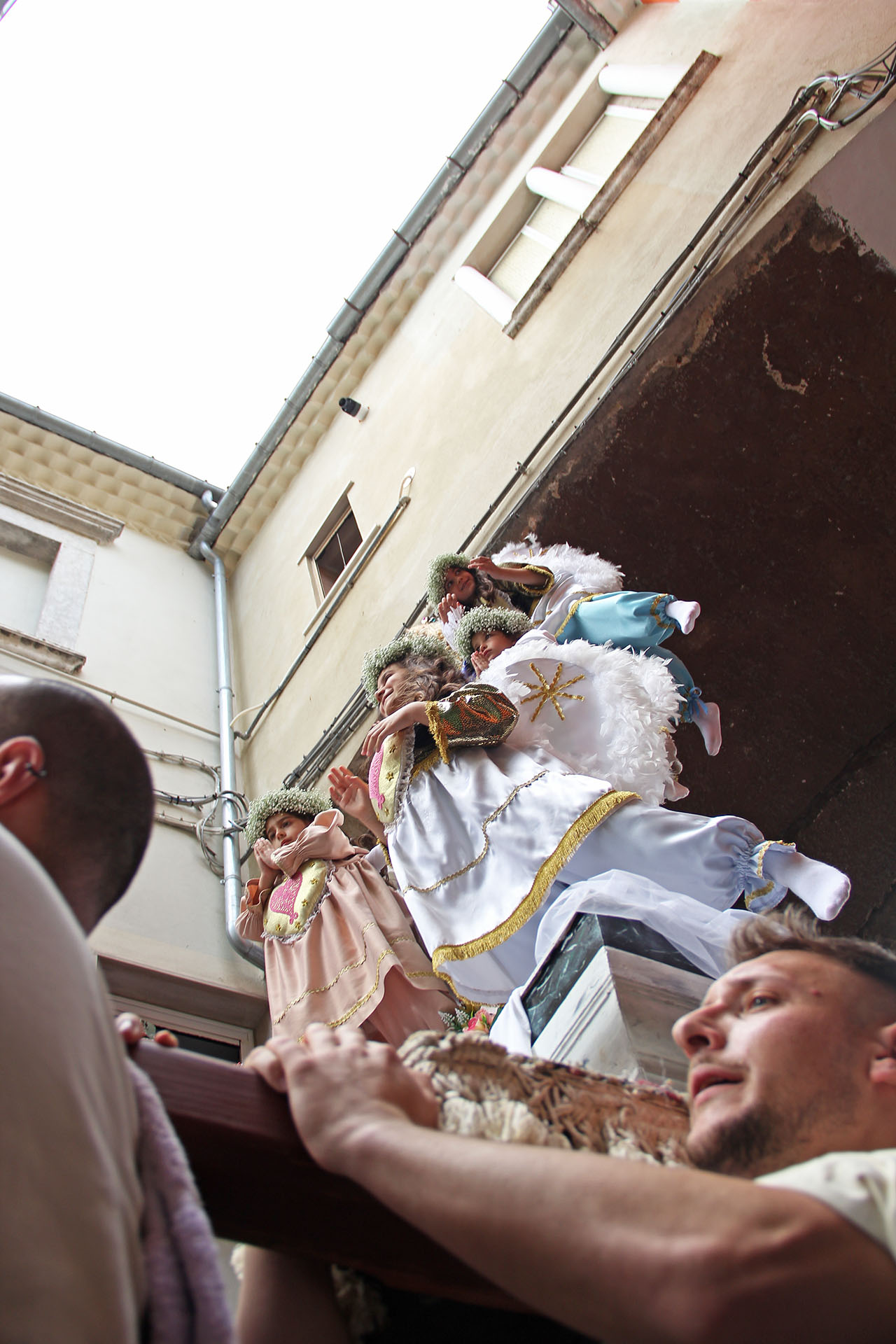
The floats, carried on the shoulders of participants, with their distinctive movement, are made even more distinctive by the presence of live performers! Men, women, children, and animals portraying sacred images. Living, moving tableaux that will make for an unforgettable day filled with music and traditional skits.


Origins and History of the Mysteries
The Mysteries originated from popular theatrical forms, such as performances that, beginning in the 11th and 12th centuries, were staged during religious festivals.
The people needed an outlet for their religious devotion so the Church, therefore, to maintain control over the masses, decided to captivate them with spectacular events. These outdoor performances took on the same didactic and narrative function that sculpture and painting had in churches.
In Campobasso, beginning in the 16th–18th centuries, some of the city’s lay confraternities began staging sacred performances on wooden stages near churches to celebrate the Feast of Corpus Christi, with the subject matter changing annually. These stages were then carried on the shoulders in a procession.
In the mid-18th century, these confraternities commissioned the Campobasso sculptor Paolo Saverio di Zinno to design “machines” that would support the performers, allowing them to maintain the same positions and poses at all times. The base consisted of wooden stretchers, while Di Zinno entrusted the construction of the metal framework to expert blacksmiths from Campobasso.
The Mystery Machines (known as “Ingegni”) were first created in 1748. Di Zinno designed twenty-four of these Mystery Machines. Of these, six failed their test runs, while another six were destroyed by the 1805 earthquake, which caused the buildings where they were stored to collapse.
Today, there are thirteen Mysteries, with the last one, representing the Sacred Heart, dating back to 1959 and created in the workshop of the Tucci family, artists from Campobasso. The other twelve represent: Saint Isidore, Saint Crispin, Saint Januarius, Abraham, Saint Mary Magdalene, Saint Anthony the Abbot, the Immaculate Conception, Saint Leonard, Saint Roch, Saint Michael, the Assumption, and Saint Nicholas.
Since the 19th century, following the dissolution of the confraternities, the Procession of the Mysteries has been organized by the municipal administration. Since 1997, this has been supported by the Association of Mysteries and Traditions, which also manages the associated museum.
Itinerary
Below is a map of the route taken by the Corpus Christi Procession. The procession begins at the Museum of the Mysteries, then passes through the historic center and the city’s main streets before finally returning to the museum.
Program
Here are the exact times of the events:
- 8:00 a.m.: Mass in the museum plaza
- 9:00 a.m.: Dressing of the Mysteries
- 10:00 a.m.: Procession through the city streets
- 1:30 p.m.: Blessing of the Mysteries at City Hall
- 1:45 p.m.: Return to the museum


Paolo Pasquale