


Campobasso, the City of Mysteries
Campobasso, my hometown. I could talk about it for hours or wear out my keyboard. There’s no point in denying the deep attachment I feel for it. It’s a rich place, often overlooked, yet its narrow streets preserve traces of a past – even a recent one – of considerable significance. A constant ebb and flow through the various periods of history, starting with the Samnite era.
Keep reading and follow us on social media to stay up to date:
Cenni storici
The founding of Campobasso is traced back to the Lombard period, in 858. The place name has several interpretations. According to Ziccardi, it derives from the fact that the site was the location of a military camp belonging to the Roman consul Bassi. According to Galanti, it derives from the location on the plain of one of the two ancient villages. Finally, according to Gasdia and Masciotta, it derives from the location where the artisans’ homes were situated, namely the “Campus Vassorum”. This last theory is the most widely accepted.
The history, however, begins much earlier. In fact, there are traces of cyclopean walls dating back to the Samnites who settled on Montebello, now known as Monforte Hill.
The town developed during the Lombard period, when it was granted to the Counts of Bojano in the year 1000. Under the Normans, the county expanded and the town became the most important center, so much so that Ugone da Molisio settled there. In 1130, the village expanded further around two new churches, San Bartolomeo and San Mercurio.
The Gambatesa family succeeded the Molisio family, followed by the Monforte family, and it was under Cola Monforte that Campobasso reached the height of its splendor. The count had the city walls and the gates of San Leonardo and Santa Cristina built; in 1476, four more gates were added: Sant’Antonio, San Nicola, Santa Maria della Croce, and San Paolo. He was also responsible for the renovation of the Castle, built on the site of a Lombard tower that had been destroyed in the 1456 earthquake.
From 1495, the fiefdom of Campobasso passed first to the di Capua family, then to the Gonzagas, the Vitaglianos, and finally to the Carafas. Upon the death of Mario Carafa, the population acquired the fief through “reclamatio ad demonium,” entrusting it to Pasquale Romano. The city expanded, and the bourgeoisie fostered its socio-cultural flourishing to the point that it was nicknamed the “Garden City” in the early 1900s.



Cosa vedere
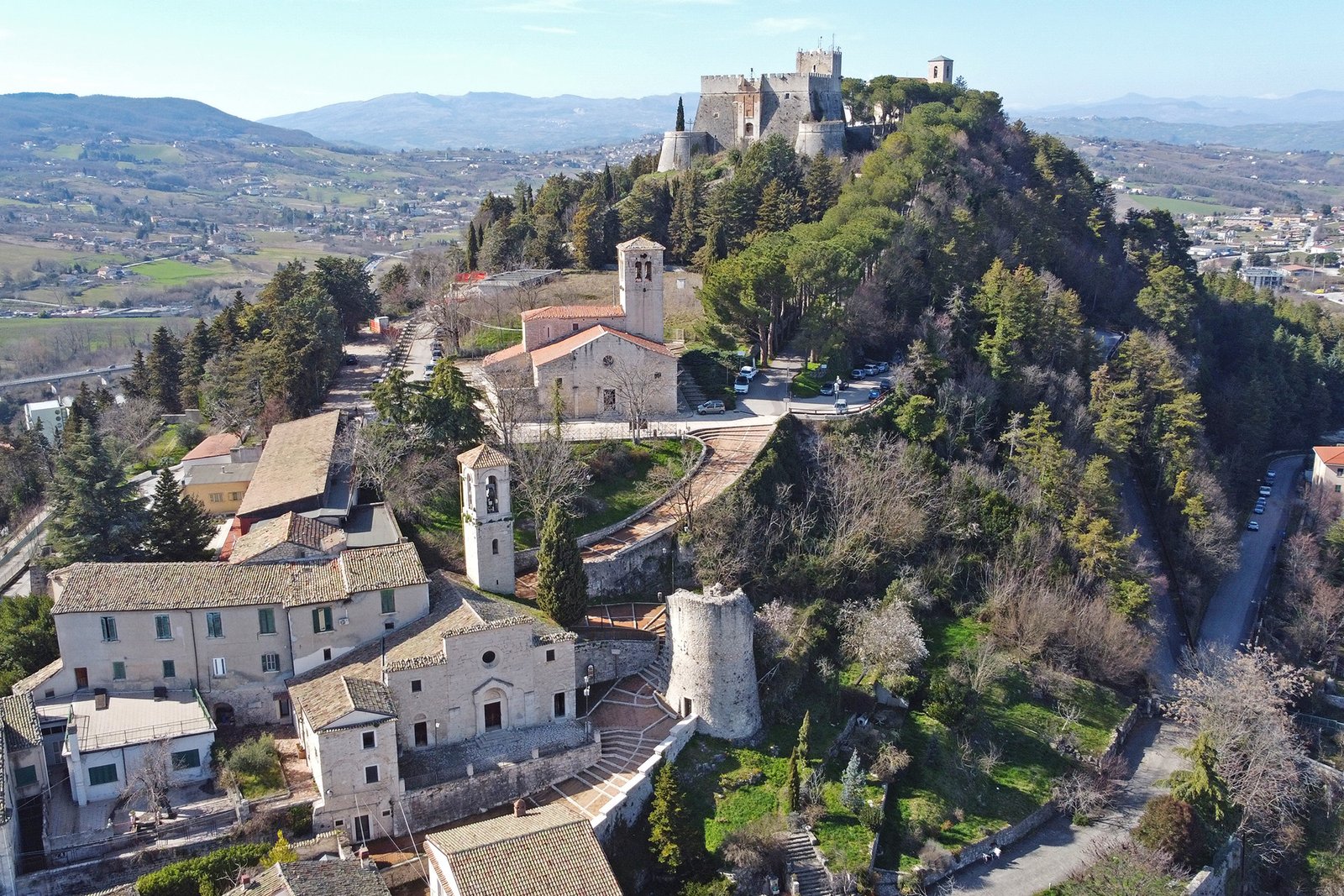
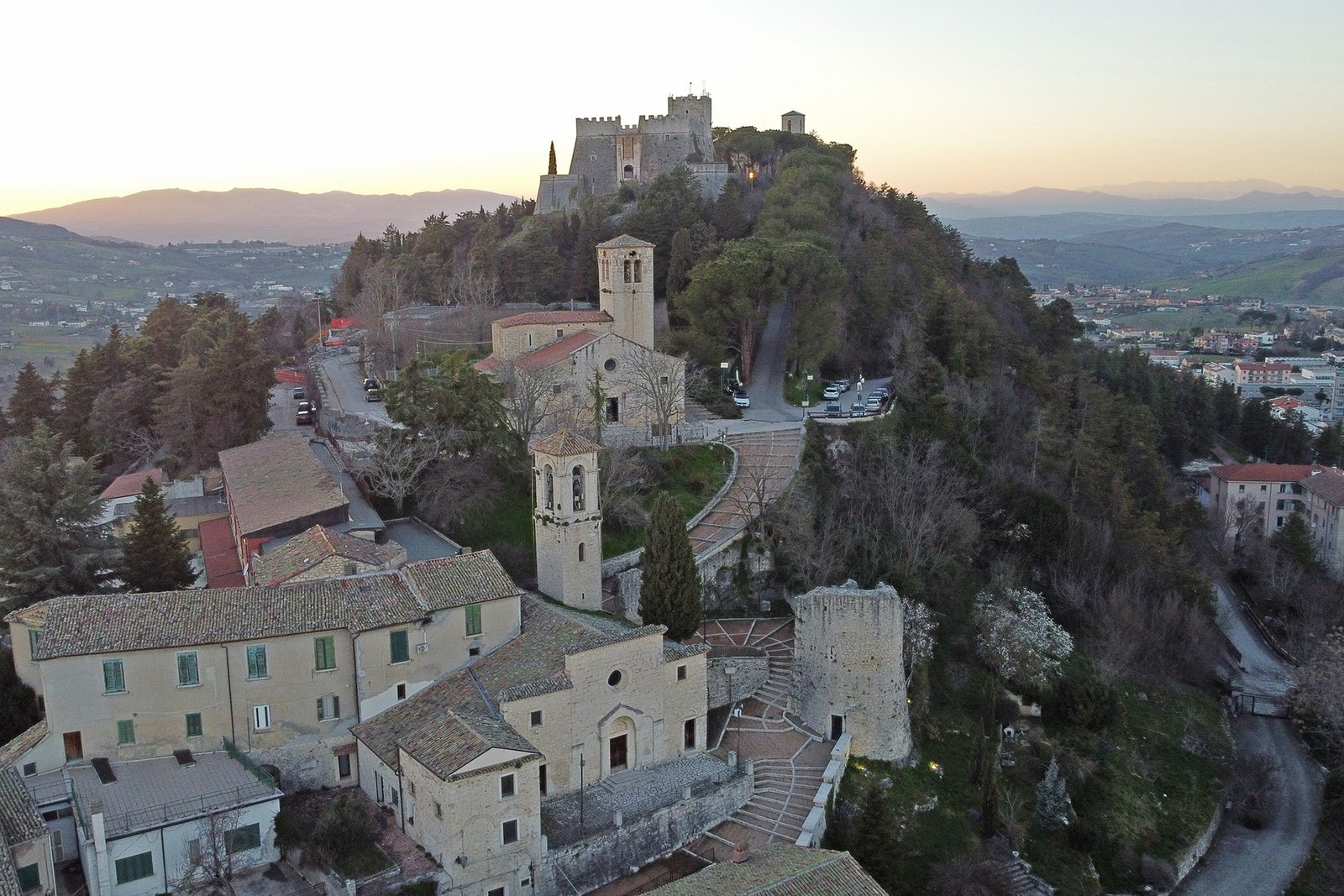
The historic center is rich in churches. Dating back to the Romanesque period (10th century) are the churches of San Giorgio, San Bartolomeo, and San Leonardo. Each has its own distinctive feature: the façade at San Giorgio, the arched portals at San Bartolomeo, and the single-lancet window at San Leonardo.
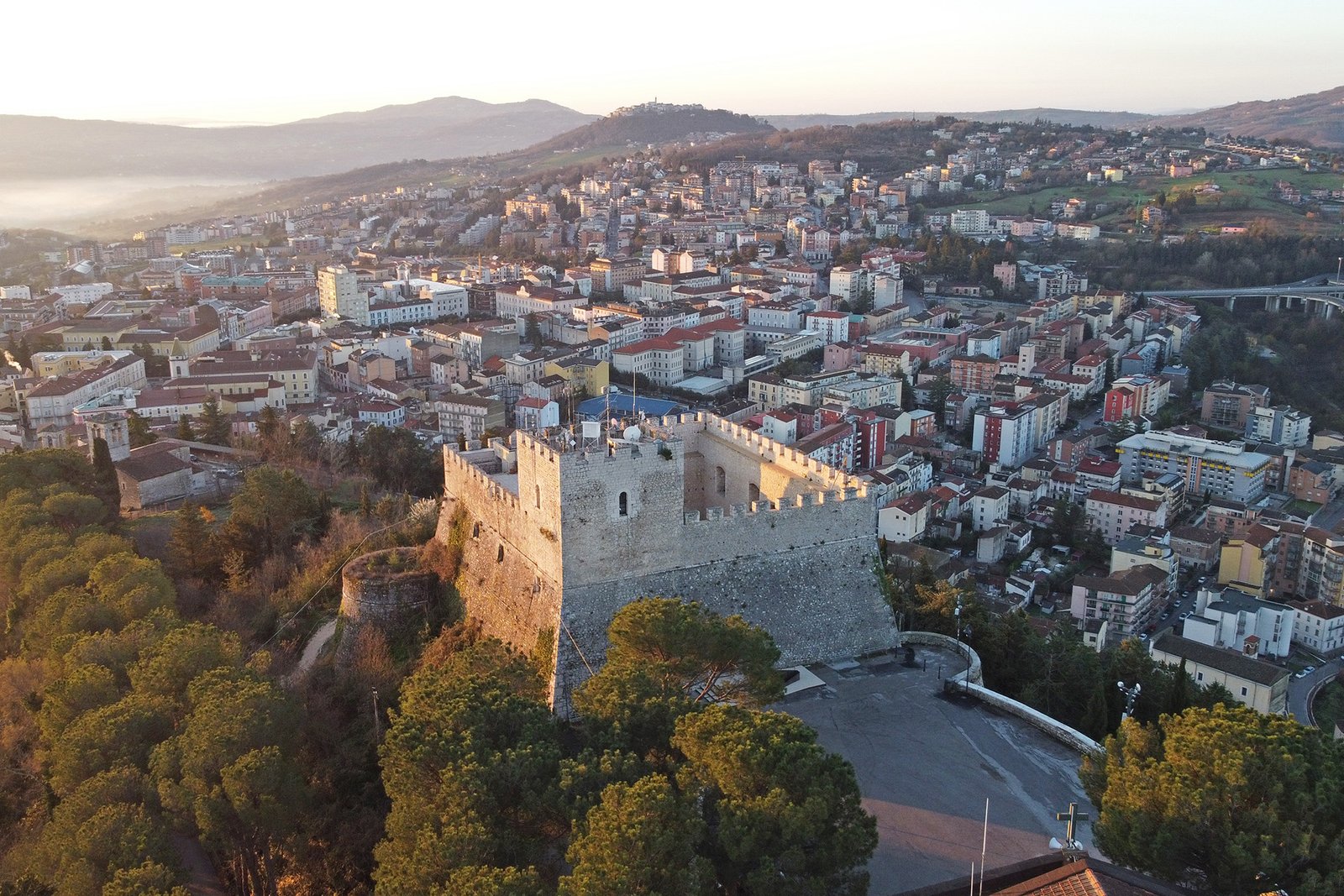
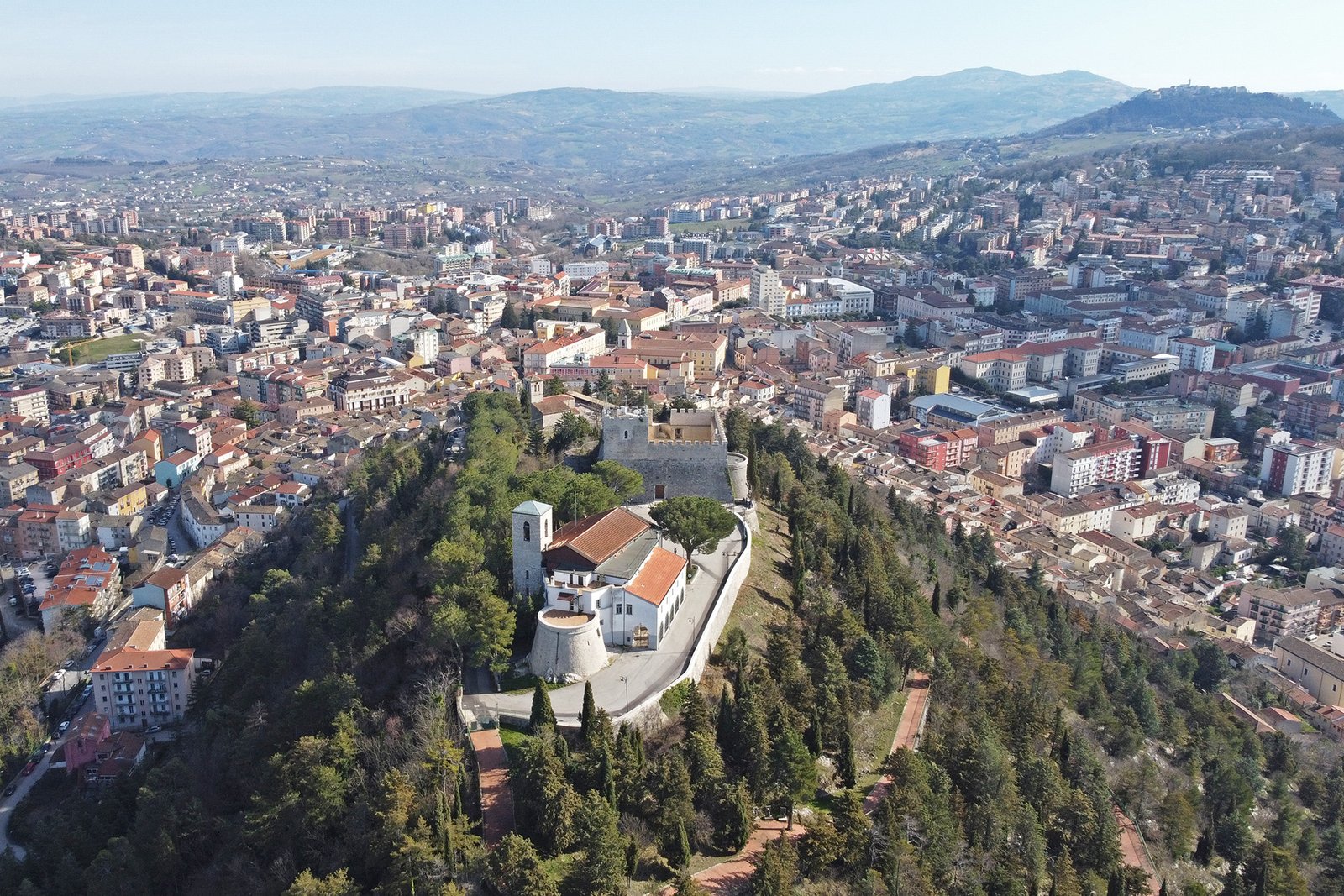
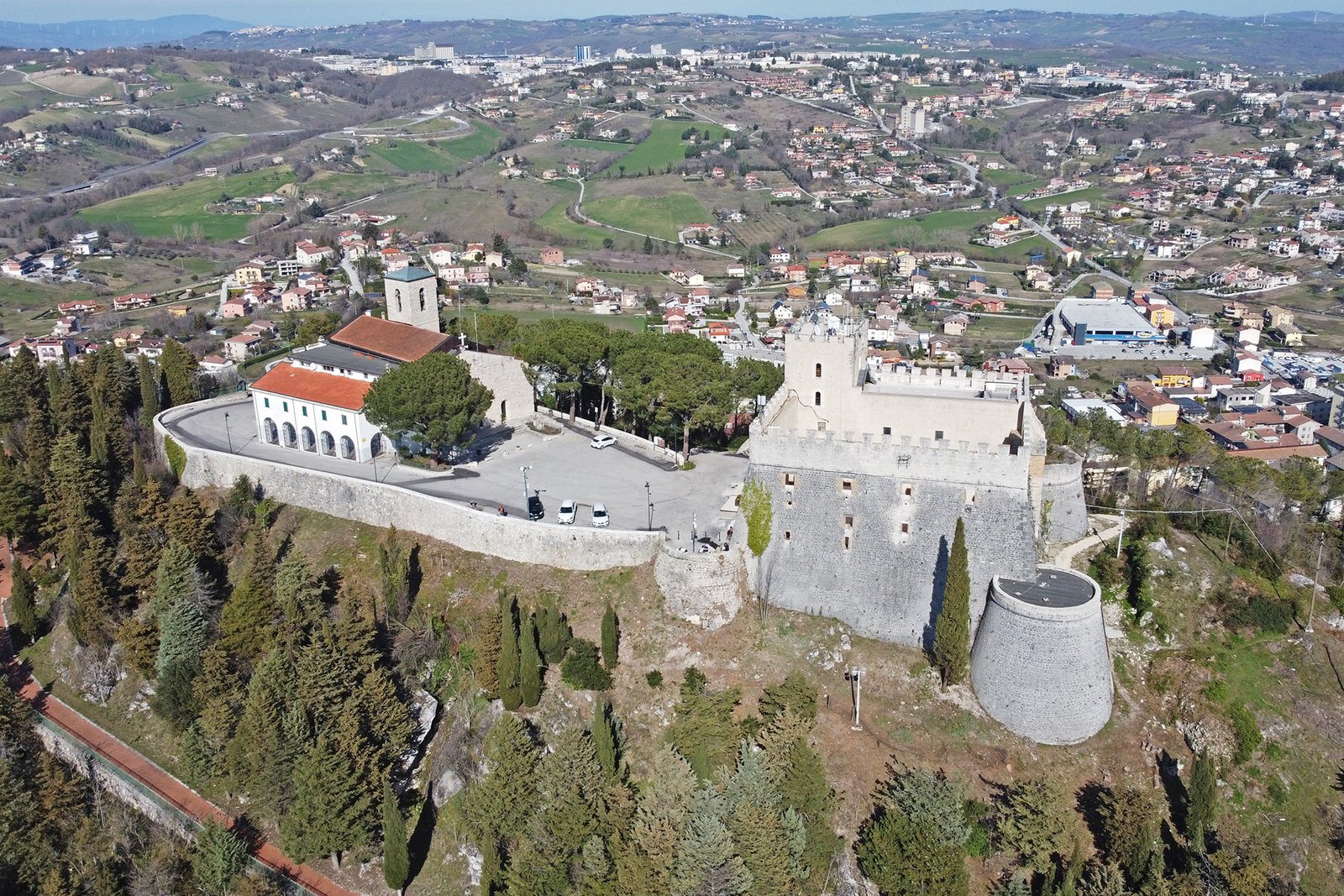
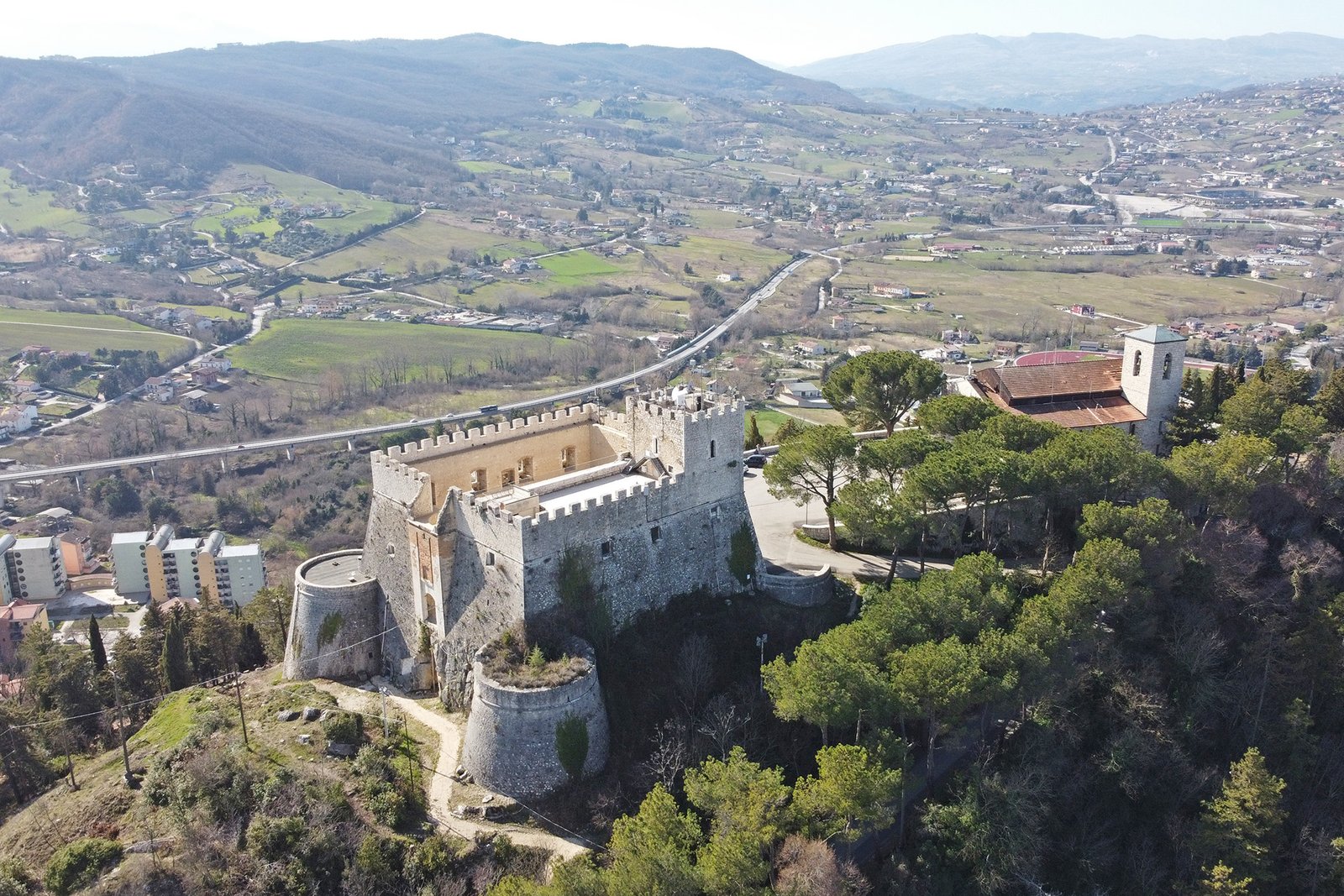
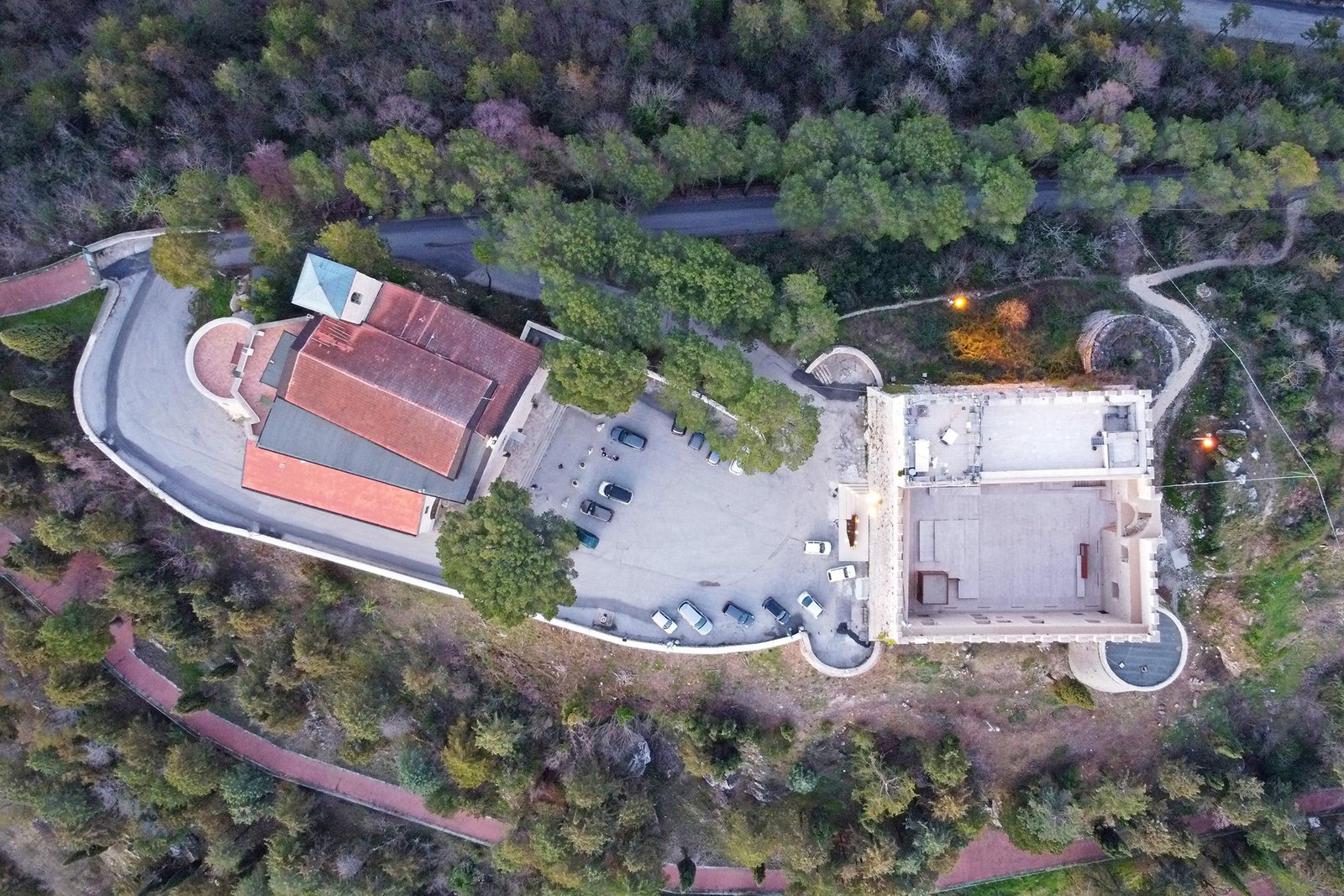
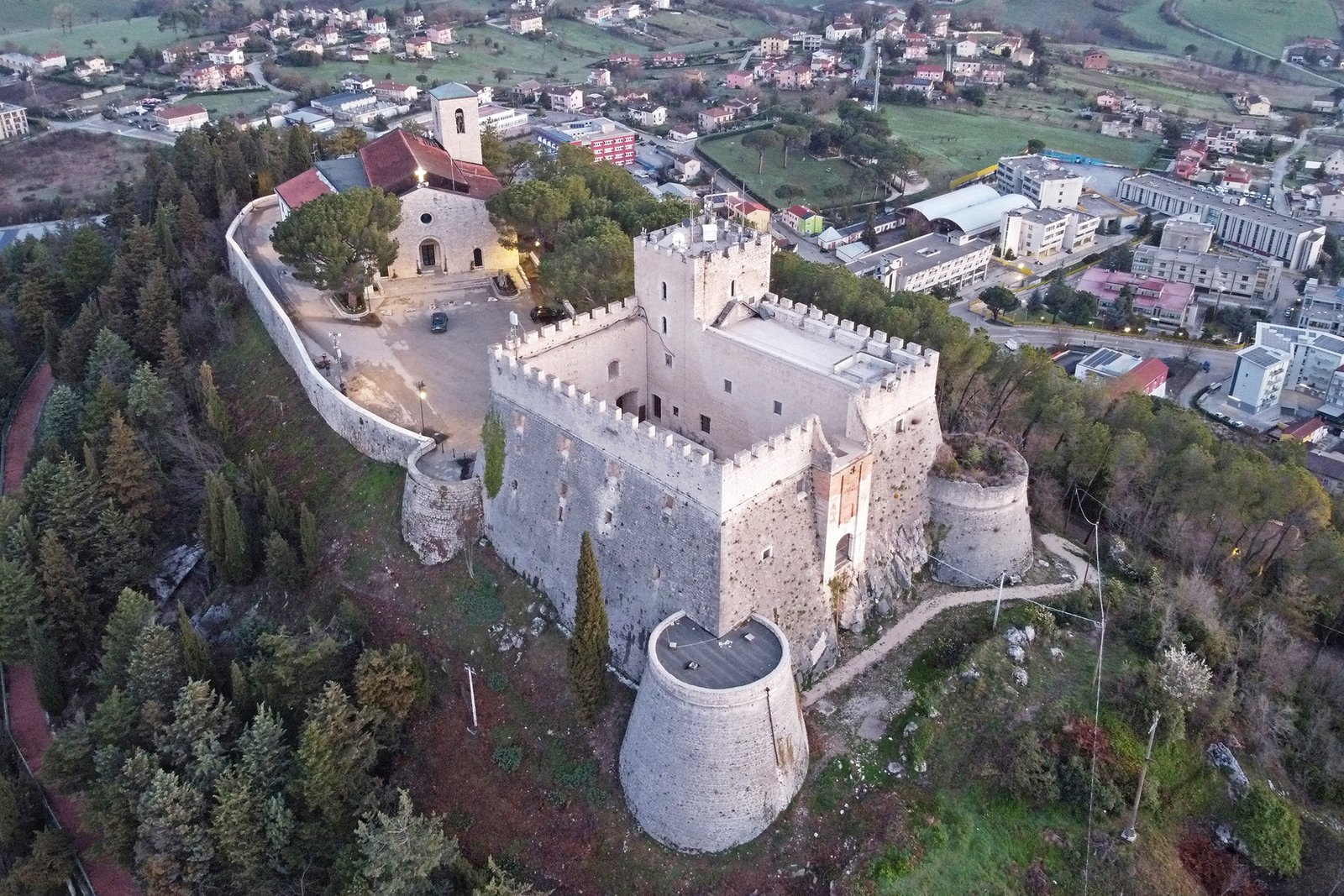
Continuing along the path, we come to the Norman-era castle, with a quadrangular layout, four towers, a drawbridge, and a spacious courtyard. Along the staircase leading to the center, past the Terzano Tower, stands the Mazzarotta Palace, now the Archeological Museum. Just outside the old town, we find the church of Sant’Antonio Abate, a testament to Campobasso Baroque art, featuring a marvelous altar carved from wood and covered in pure gold, a wooden organ with gold inlays, and various paintings from the Neapolitan School.
Also ancient is the church of Santa Maria della Croce, built by the Normans and home to the Confraternity of the Crusaders, where the Way of the Cross is celebrated during Easter. The naves resound with a mournful chant evoking the Lord’s death, culminating in the sweet melody of “Teco Vorrei,” a Molise song of poignant melancholy.
Just outside the city walls stands the Cathedral of the Holy Trinity, built in the 16th century in the Neoclassical style, evident in its monumental porticoed façade with Ionic capitals and a triangular pediment. The interior is majestic, embellished by the Molise painter Amedeo Trivisonno, who also created several frescoes in the Church of Santa Maria del Monte. Notable here is the high altar in polychrome marble, surmounted by a wooden statue of the Virgin Mary.
Adjacent to the church are, on one side, the Savoia Theater and, on the other, the Prefecture Building, in the Neoclassical style, which is also found in the Palazzo di San Giorgio, the town hall, built on the site formerly occupied by the Celestine convent, and in the Cannavina Palace in the historic center. Worth visiting is the 18th-century Villa de Capoa, which, built on a Renaissance-style plan, became a focal point of the city and remains one of the last examples of an “Italian-style garden” in southern Italy.
Notable landmarks include the small church of Santa Maria de Foras and the “Mario Pagano” National Boarding School, which features a garden of considerable significance home to a “Giant Sequoia,” a “Ginkgo biloba,” and a Lebanese cedar. Other trees can be found in Villa dei Cannoni and Villa de Capoa, where there are spruce trees, Judas trees, and linden trees.
Finally, while strolling through the historic city center, take a moment to look up at the sky – specifically at the balustrades of the buildings’ balconies. These finely crafted wrought-iron railings reflect the ancient tradition of wrought-iron and perforated steel craftsmanship.


Tradizioni e gastronomia
In chronological order, on January 17, the feast of Saint Anthony the Abbot, a large bonfire is lit near the church of the same name; the celebration of Easter includes the Good Friday Procession, featuring a magnificent choir of 700 singers. On May 31, for the procession of the Madonna del Monte, the streets of the town center are covered with carpets of flowers, the “Infiorata.” The Festival of the Mysteries is truly beautiful, featuring floats designed by Paolo Saverio di Zinno, an artist from Campobasso, which depict scenes from the Old and New Testaments. In the summer, there is no shortage of festivals and theatrical performances, among which the National Festival of Popular Theater stands out.
Infiorata (May 31)
During the festival dedicated to Our Lady of the Mountains, the village streets are transformed by a carpet of flowers, creating extraordinary, picturesque scenes. The statue of Our Lady is carried in procession across this carpet. Such is the devotion that, starting early in the morning, the residents work to beautify the streets with flower petals and clumps of grass, creating evocative arrangements depicting geometric designs, religious symbols, and invocations to Mary.
Crusaders and Trinitarians
The event commemorates the peace between the Crusaders and the Trinitarians, two of the city’s lay brotherhoods. The event, which dates back to 1587, takes place in Piazza G. Pepe. The herald arrives in the cathedral square and, recalling the tragic episodes of the conflict between the two groups, calls on the people to embrace a lasting peace. Then the two groups arrive, preceded by flags and banners, flag-wavers, dignitaries, ladies, and newlyweds. All the groups are dressed in period costumes; red predominates for the Crusaders, while blue is the color for the Trinitarians. The challenge proclamations are read, and then two dignitaries from the opposing factions attempt to calm the groups. They succeed with the help of the Archpriest of San Leonardo but, above all, with the help of Fra Geronimo da Sorbo, a Capuchin friar who had arrived in the city for Lent.
The Mysteries
It is one of the most important and evocative expressions of Molise’s popular religious culture. Held on the Feast of Corpus Christi, it consists of a procession featuring thirteen Mysteries portrayed by live actors. For more details, please see the dedicated article: Corpus Christi in Campobasso, Procession of the Mysteries.
Another event that has become a tradition over time is the “Su e Giù”, a non-competitive race organized by the Virtus Sports Group. Established in 1974, it has become such a highly anticipated event that it attracts over five thousand participants every year on the second Sunday of November.
As for the cuisine, the dishes are simple yet flavorful. Among them are caponata, biscuits soaked in oil and vinegar and stuffed with tomatoes, olives, and hard-boiled eggs, cavatelli with pork sauce (pork ribs are called tracchiulelle), crioli, homemade pasta, fennel and salt cod soup, pizza and minestra, a cornmeal pizza with country vegetables, and mostaccioli, traditional Christmas sweets. Not to be forgotten are liqueurs such as Poncio and Crema Milk, to be sipped perhaps while enjoying the delicious Milk Pan.


Paolo Pasquale